Music History
The Song That Moved Audiences To Tears Became Smokey Robinson’s Defining Masterpiece
Some songs become hits because they are catchy. Others become classics because they tell the truth about human emotion with such honesty that listeners see themselves inside them. “The Tracks of My Tears” by Smokey Robinson and the Miracles is one of those rare records — a song whose quiet heartbreak has continued to resonate with audiences for nearly six decades.

By the mid-1960s, Smokey Robinson had already established himself as one of Motown’s greatest creative forces. As both the lead singer of The Miracles and one of the label’s most gifted songwriters, Robinson possessed an extraordinary ability to express complicated emotions through deceptively simple lyrics. While many love songs focused on romance itself, Robinson often explored what happened after love had already slipped away.
That emotional honesty reached its peak with “The Tracks of My Tears.” At first glance, the song seems almost optimistic. Its gentle melody, smooth harmonies, and graceful arrangement create an atmosphere of warmth rather than despair. But beneath that polished surface lies one of the saddest stories ever told in popular music.
The narrator insists that he appears perfectly happy to the outside world. He smiles, laughs, and carries on as though nothing has changed. Yet Robinson reveals the painful truth with one unforgettable image: if you look closely enough, the tears leave tracks behind his smile. It is a remarkably simple metaphor that captures the experience of hiding heartbreak better than pages of explanation ever could.

That emotional subtlety made the song unlike many of its contemporaries. Rather than dramatizing pain through anger or desperation, Robinson portrayed sorrow with dignity and restraint. His voice never begs for sympathy. Instead, it quietly invites listeners into an emotional space that feels deeply personal.
According to longtime Miracle Warren “Pete” Moore, audiences often became overwhelmed when the group performed the song live. Night after night, listeners reportedly broke into tears as Robinson sang. The performance didn’t rely on theatrical gestures or dramatic vocal acrobatics. It succeeded because people recognized something genuine inside it.
Even fellow musicians found themselves captivated by Robinson’s songwriting. Among the song’s biggest admirers was Pete Townshend of The Who, who became fascinated by one particular lyric: “Although she may be cute, she’s just a substitute.” Townshend later admitted that he became so obsessed with Robinson’s use of the word “substitute” that it directly inspired him to write the Who’s 1966 hit “Substitute.” Few songs can claim to have influenced another rock classic so directly.
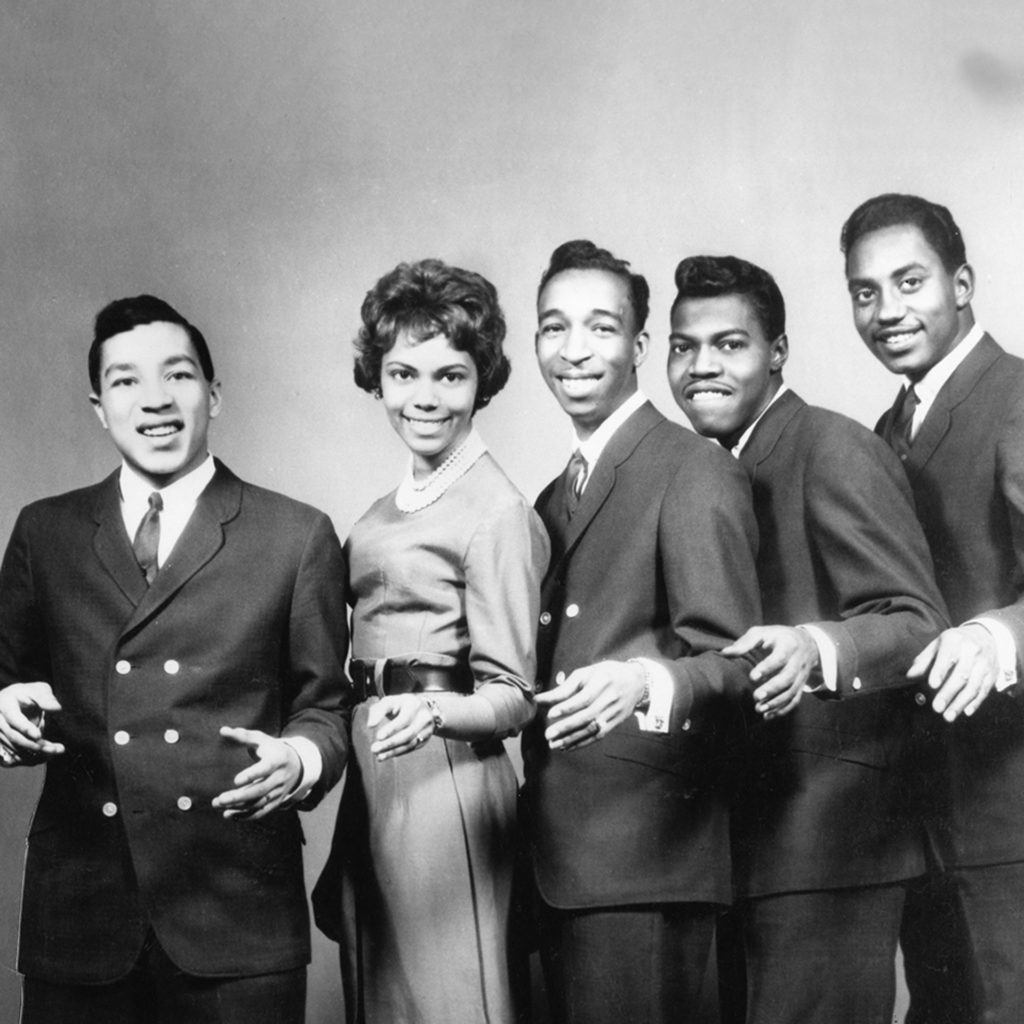
Musically, “The Tracks of My Tears” showcases everything that made the Motown sound so enduring. The arrangement is elegant without becoming complicated, allowing Robinson’s vocal performance to remain at the center. The Miracles’ harmonies surround his voice with warmth, while the rhythm section provides a gentle, unwavering pulse that carries the song forward.
Behind the scenes, the recording impressed even the man who was notoriously difficult to satisfy: Motown founder Berry Gordy. Known for demanding perfection from his artists, Gordy reportedly listened to the finished record and declared it a masterpiece. Coming from the man who built Motown into a musical empire, there could hardly have been greater praise.
The song quickly became one of the defining recordings of Robinson’s career, cementing his reputation not only as a gifted performer but as one of the finest lyricists in popular music. His ability to transform ordinary emotions into unforgettable poetry would go on to influence generations of songwriters across soul, pop, rock, and R&B.
Over the decades, “The Tracks of My Tears” has been covered by countless artists, yet Robinson’s original remains unmatched. Its emotional power comes not from elaborate production or technical complexity, but from its remarkable sincerity. Every note feels earned, every lyric feels lived.
Perhaps that’s why the song continues to endure. Nearly everyone has experienced the feeling of pretending everything is fine while carrying invisible pain beneath the surface. Robinson gave that experience a melody—and a metaphor that listeners have never forgotten.
In the end, “The Tracks of My Tears” isn’t simply a song about heartbreak. It’s a reminder that the deepest emotions are often the ones we try hardest to hide—and sometimes, no smile is strong enough to conceal them forever.
