Music History
A Cry For Peace From A Man In Personal Turmoil — How Marvin Gaye Turned “What’s Going On” Into A Soul Masterpiece
Some songs are written as commentary. Others are written as entertainment. But every so often, a song emerges from a place so emotionally complex that it becomes something closer to a prayer than a performance. Marvin Gaye’s “What’s Going On” is one of those rare recordings — a deeply personal plea for peace created by a man who was, at the time, experiencing his own private collapse.
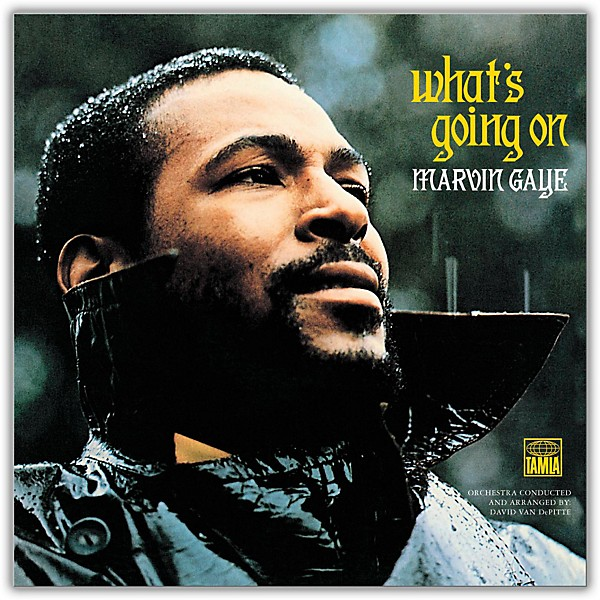
In 1970, Marvin Gaye stood at the height of his fame at Motown. He was one of the label’s most successful male vocalists, a polished hitmaker operating inside the tightly controlled “assembly line” system that had defined the Motown sound. But behind the success, Gaye was growing increasingly frustrated. He felt disconnected from his own artistry, as though he was performing songs rather than living them.
That inner tension was compounded by personal tragedy. The death of his duet partner Tammi Terrell in March 1970 had a devastating effect on him. Their collaborations had been some of Motown’s most beloved recordings, and her loss left a deep emotional void. At the same time, his marriage to Anna Gordy was strained, and his complicated relationship with Motown founder Berry Gordy added further pressure. Even his relationship with his father remained deeply troubled, creating a sense of emotional conflict that followed him everywhere.
Out of this turmoil came a question that would define the next stage of his career: if he was going to sing about peace, how could he do it without first confronting his own lack of it? As Gaye later explained, if he was going to argue for peace in the world, he had to begin by finding peace within himself. That idea became the emotional foundation of “What’s Going On.”
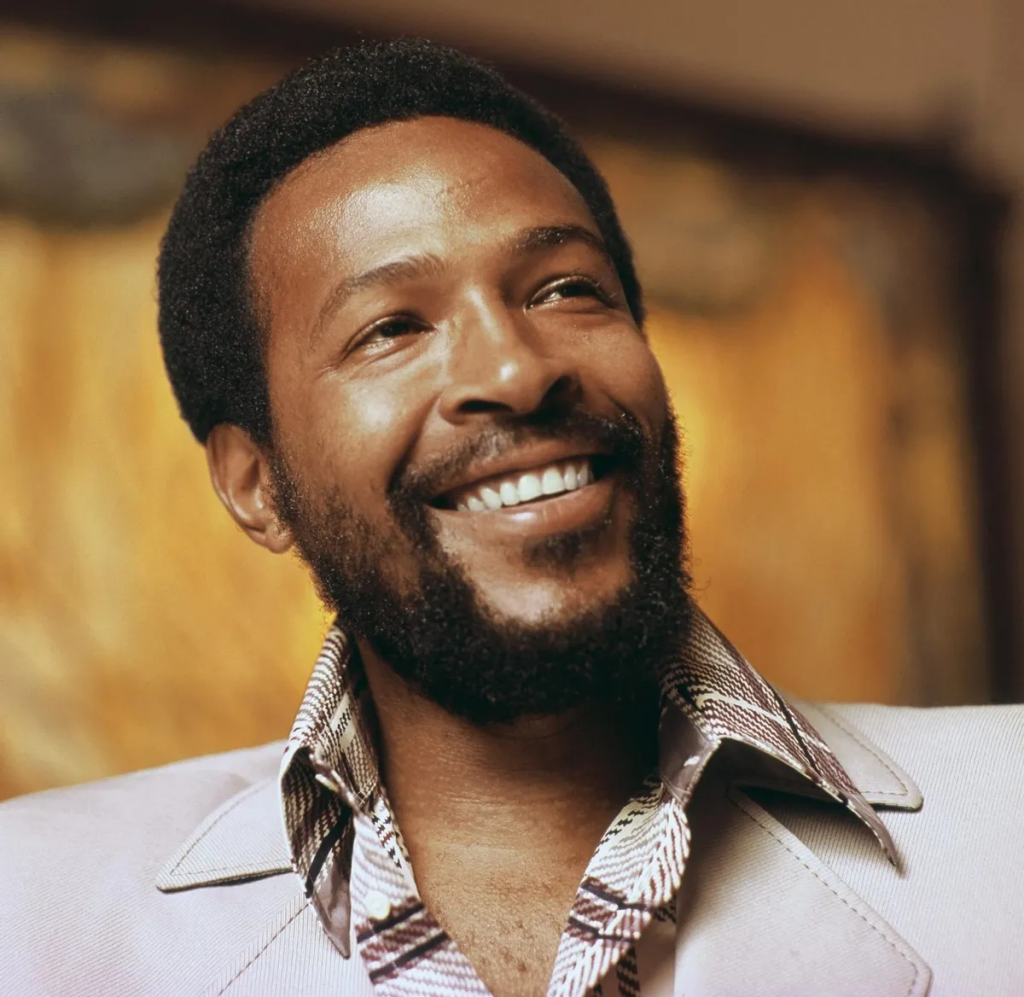
The song’s origins began when Renaldo “Obie” Benson of the Four Tops brought Gaye a piece of music he had co-written with Motown staffer Al Cleveland. The initial composition already carried a social message, but it was Gaye who transformed it completely. Rather than treating it as a standard Motown single, he reimagined it as a layered, reflective piece shaped by personal experience and global awareness.
Gaye took control of the arrangement, reshaping the song’s structure and emotional tone. He expanded its meaning beyond general protest, weaving in references to war, racial tension, and the emotional cost of violence. At the same time, he made the song feel intimate, as though each global issue was also a personal wound. The result was a rare combination of social commentary and private confession.
The recording sessions reflected this shift in approach. Motown’s legendary session musicians, known as the Funk Brothers, built a jazz-influenced rhythm track that felt fluid and restrained rather than tightly controlled. Gaye himself even contributed percussion using a simple cardboard box, emphasizing texture and atmosphere over technical precision. Every element of the recording felt intentional yet deeply human.
One of the most striking aspects of the song is its conversational structure. Instead of delivering abstract statements, Gaye sings as though he is speaking directly to individuals in his life. He addresses his younger brother Frankie, a Vietnam veteran, with the line, “Brother, brother, brother / There’s far too many of you dying,” turning global conflict into a personal plea. Later, he shifts toward a more immediate emotional space, singing, “Father, father, father / We don’t need to escalate,” transforming family tension into a metaphor for broader societal conflict.
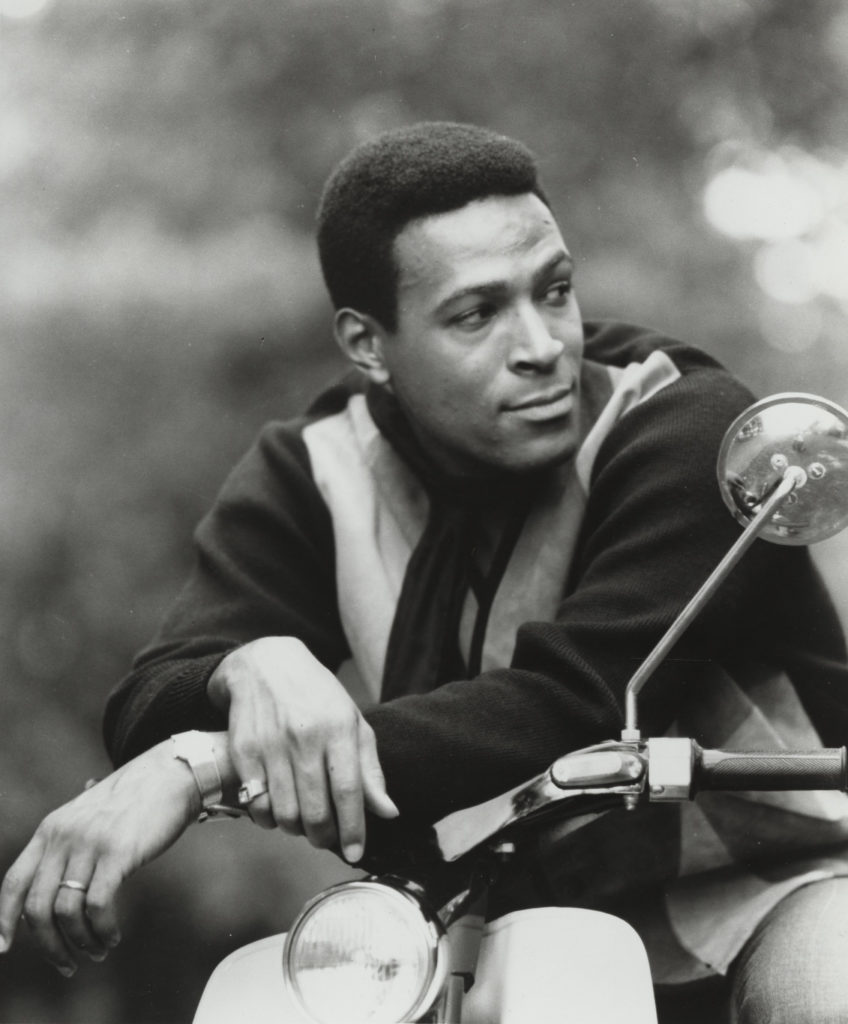
Adding to its unique sound were background vocals contributed not by traditional singers, but by two members of the Detroit Lions football team. Their presence added an unexpected communal quality to the recording, reinforcing the idea that the song was not just one man’s voice, but a collective expression of concern and longing.
Despite its emotional depth, the song was initially met with resistance from Motown executives, who feared it was too unconventional and not commercially viable. Its loose structure, jazz influences, and politically conscious lyrics did not fit the label’s established formula. But Gaye refused to abandon it, believing that its message mattered more than its commercial predictability.
When “What’s Going On” was finally released, it quickly proved its critics wrong. Listeners responded not just to its melody, but to its sincerity. It felt different from anything else on the radio — calmer, more reflective, and more emotionally honest. Instead of demanding attention, it invited understanding.
Over time, the song came to be regarded as one of Motown’s most important artistic achievements. It marked a turning point in Gaye’s career, allowing him to move away from formulaic pop structures and toward more personal, concept-driven music. It also helped redefine what soul music could be, blending elements of jazz, gospel, and social commentary into a unified emotional statement.
What makes “What’s Going On” endure is its balance between urgency and calm. It acknowledges pain without collapsing into despair, and it calls for peace without ignoring the reality of conflict. That emotional duality gives it a sense of maturity that remains rare in popular music.
Today, the song stands as one of the defining recordings of the 20th century — not only for its musical innovation, but for its emotional truth. It is both a snapshot of a turbulent moment in history and a deeply personal reflection from an artist searching for stability in his own life.
In the end, “What’s Going On” is not just a question. It is a plea, a reflection, and a hope — all carried in a single voice that refused to look away.

Kim Turney
July 20, 2026 at 9:17 am
Always will love me some Marvin Gaye 💞💞💞💞💞💞💞💞💞💞💞💞💞💞💞💞💞💞💞💞