Music History
A Six-Minute Explosion That Changed Everything — How Bob Dylan Turned Songwriting Into A Revolution With “Like A Rolling Stone”
Some songs feel like milestones. Others feel like turning points. And then there are songs like “Like a Rolling Stone” by Bob Dylan — records that don’t just define an artist’s career, but permanently reshape what music is allowed to be.
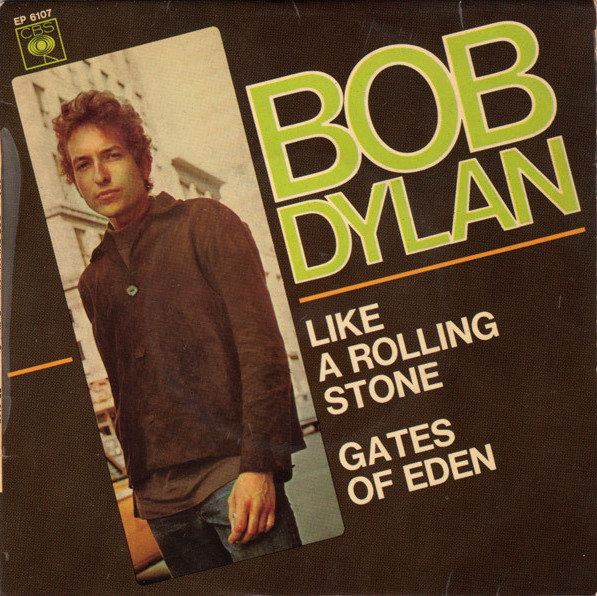
When Dylan recorded the song in June 1965, he was only 24 years old, but already operating with a creative force that few of his peers could match. Looking back, Dylan himself summed it up with characteristic bluntness: “I wrote it. I didn’t fail. It was straight.” That simple statement captures the confidence behind a song that refused to follow any established rules of pop music at the time.
The origins of “Like a Rolling Stone” were chaotic and expansive. Dylan began with what he described as a long piece of verse — reportedly anywhere from six to twenty pages — filled with raw emotion and what he called “a steady hatred, directed at some point that was honest.” It wasn’t yet a song in the traditional sense. It was more like an outpouring, a stream of confrontational poetry searching for structure.
Over several days in Woodstock, New York, Dylan began refining that sprawling material into something sharper and more focused. What emerged were four tightly constructed verses built around a now-iconic chorus. Instead of softening the emotional edge, he intensified it, turning fragmented thoughts into a direct and cutting narrative about loss, dislocation, and identity collapse.

Before recording it in New York, Dylan brought guitarist Mike Bloomfield from the Paul Butterfield Blues Band to Woodstock to learn the song. But even in this collaborative moment, Dylan made his intentions clear. He reportedly told Bloomfield not to rely on familiar blues patterns, instructing him instead to approach the song differently. That demand reflected Dylan’s broader ambition: he wasn’t trying to fit into existing traditions — he was trying to break them open.
In the studio, that sense of disruption became even more pronounced. “Like a Rolling Stone” rejected almost every expectation of what a hit single should be. At over six minutes long, it defied radio conventions. Its structure was unconventional, its lyrics were dense and confrontational, and its emotional tone was unapologetically sharp. Yet instead of softening it for commercial appeal, Dylan leaned further into its intensity.
Lyrically, the song feels like a direct confrontation. It addresses a fall from privilege into confusion and vulnerability, delivered with a mix of irony, anger, and detached observation. The identity of the song’s subject has been debated endlessly, but its emotional force is unmistakable. It captures the unsettling experience of losing certainty and status, and being forced to navigate a world that suddenly feels unfamiliar.
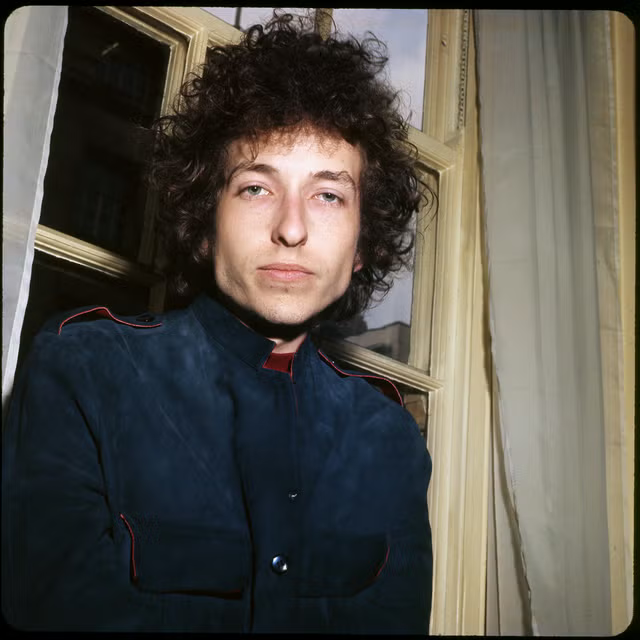
What made the recording even more revolutionary was Dylan’s vocal performance. Unlike the polished delivery typical of pop singers at the time, Dylan’s voice on this track is raw, nasal, and emotionally charged. It doesn’t aim for traditional beauty. Instead, it emphasizes urgency and authenticity. That choice helped redefine what counted as a “good” vocal in popular music, expanding the possibilities for future artists.
Musically, the song is equally transformative. It blends rock energy with a loose, almost chaotic structure, driven by Al Kooper’s now-legendary organ line and Bloomfield’s sharp guitar work. Rather than anchoring the song in predictable patterns, the arrangement constantly pushes forward, giving the impression of momentum without resolution. It feels less like a song that begins and ends, and more like something that continues to unfold.
From the moment it was released, “Like a Rolling Stone” challenged industry expectations. Radio stations initially hesitated due to its length, but audiences responded immediately and intensely. Listeners recognized that something had shifted. Popular music was no longer limited to short, polished statements — it could now be sprawling, literary, and emotionally complex.
Dylan himself later reinforced the song’s importance in his own catalog, stating plainly that it was the best thing he had ever written. That confidence wasn’t arrogance — it reflected an understanding that the song had crossed a boundary that few artists even realized existed at the time.
Over the decades, its influence has only expanded. Countless musicians have cited it as a turning point in rock history, a moment when songwriting became more ambitious, more confrontational, and more personal all at once. It helped bridge the gap between folk storytelling and electric rock intensity, reshaping what listeners expected from popular music.
Today, “Like a Rolling Stone” is not just remembered as one of Bob Dylan’s greatest achievements. It is widely regarded as one of the most important recordings ever made. It represents a moment when an artist stopped asking what a song should be — and simply decided to redefine the question entirely.
And in doing so, he didn’t just write a hit. He changed the language of rock & roll itself.
