Music History
A Song Born From Childhood Memories And Isolation — How “Strawberry Fields Forever” Changed The Beatles And Pop Music Forever
Some songs feel like memories. Others feel like dreams. But a very small number feel like both at the same time — fragile, distorted, and strangely beautiful, as if they exist in a space between reality and imagination. The Beatles’ “Strawberry Fields Forever” is one of those rare recordings, a song that turns personal memory into something surreal, and in doing so helped redefine what popular music could sound like.
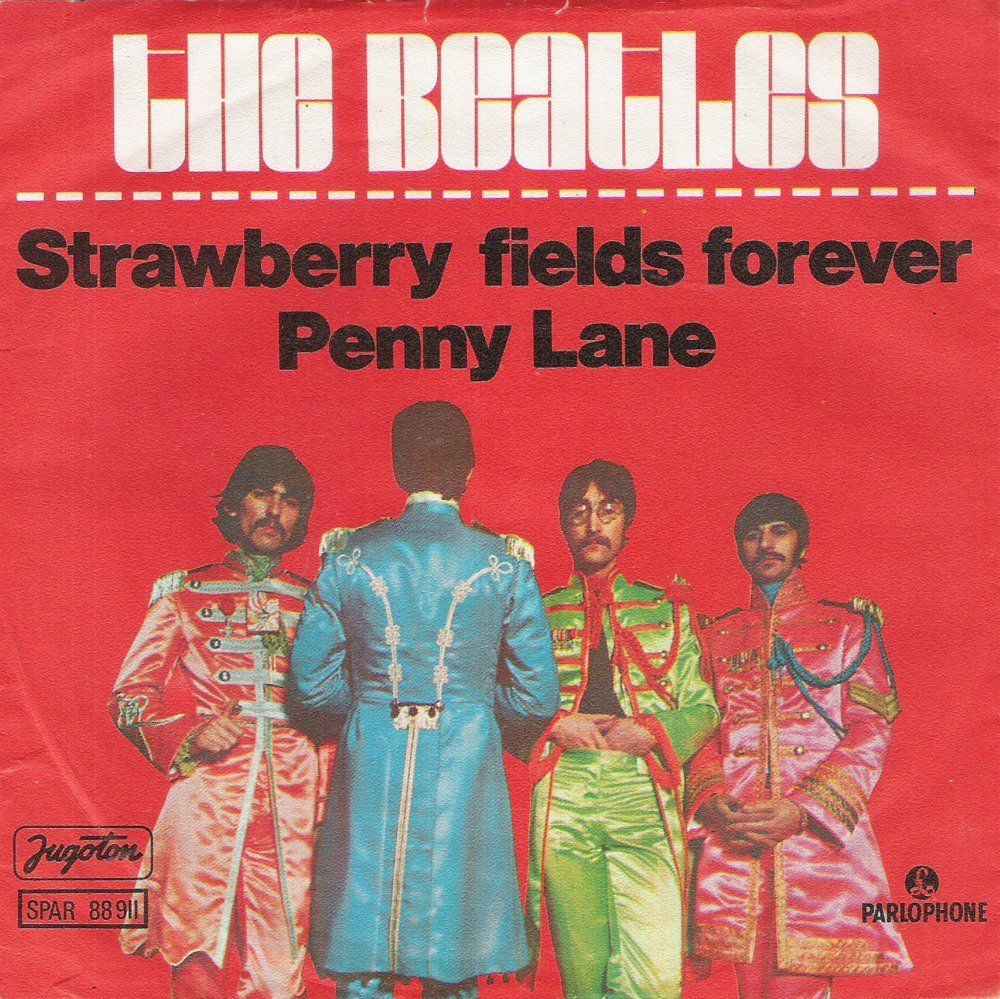
In 1966, John Lennon was one of the most recognizable people on the planet. Yet despite his global fame, he was drawn inward, increasingly focused on questions of identity, memory, and emotional isolation. “Strawberry Fields Forever” emerged from that inner world — a deeply personal reflection shaped by childhood memories that refused to fade.
The song’s origins go back to Lennon’s early life in Liverpool, particularly to a place called Strawberry Field, an orphanage where he used to play as a child. More than just a physical location, it became a symbol in his mind — a place of escape, imagination, and emotional retreat. As he later explained, Strawberry Fields was never just a single place; it was something internal, something you could return to in your thoughts whenever reality felt uncertain or overwhelming.
The first version of the song was written in a surprisingly isolated setting. Lennon reportedly began shaping it alone on a Spanish beach with an acoustic guitar, turning fragmented memories into melody. What emerged was not a conventional pop composition, but something looser and more introspective, built around mood rather than structure. It already carried the emotional weight that would later define its final version.
When Lennon brought the song back to The Beatles, he was hesitant. Its deeply personal tone made him uncertain about how it would be received. The vulnerability in the lyrics — reflecting childhood confusion, emotional distance, and a sense of not fully belonging — was unlike anything he had previously presented to the group. But once the band heard it, the reaction was immediate and supportive. Paul McCartney’s response was especially direct: he reportedly called it “absolutely brilliant.”
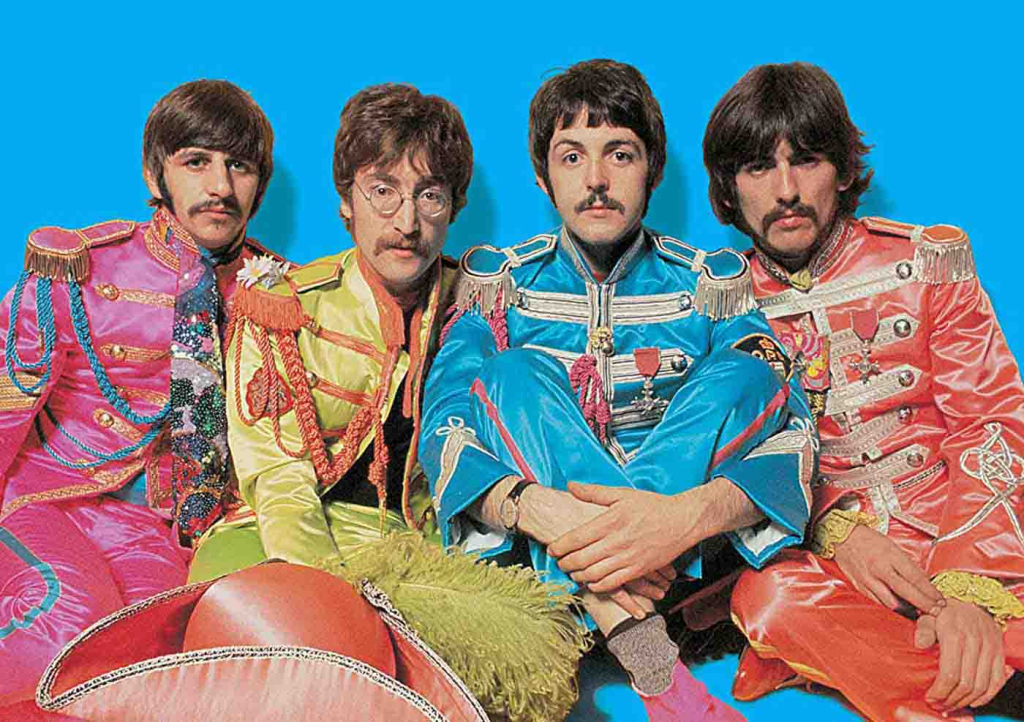
From there, the song evolved into something far beyond its original form. Under the guidance of producer George Martin, the track was transformed into one of the earliest and most influential examples of psychedelic studio experimentation in popular music. Instead of treating the recording as a straightforward performance, the studio itself became an instrument.
Multiple takes of the song were combined in unusual ways, with different tempos and arrangements layered together to create a dreamlike, unstable effect. The result was not a clean or linear recording, but something fragmented and fluid, as if memory itself had been reconstructed in sound. This approach gave the song its unmistakable atmosphere — one that feels constantly shifting between clarity and distortion.
Musically, “Strawberry Fields Forever” marked a turning point for The Beatles. It was one of the first recordings from the Sgt. Pepper era sessions, signaling a shift away from traditional pop structures toward more experimental and conceptual work. Although it was ultimately released as a standalone single paired with “Penny Lane,” it clearly belonged to the same creative evolution that would define their later work.
What makes the song so powerful is its emotional contradiction. On one hand, it is deeply rooted in loneliness, memory, and personal uncertainty. On the other hand, it feels strangely inviting — almost comforting in its atmosphere. Lennon’s lyrics explore the difficulty of distinguishing what is real from what is imagined, but the music transforms that confusion into something beautiful rather than frightening.
The recording captures that tension perfectly. Lennon’s vocal performance is detached yet intimate, as though he is speaking from inside a private world. The arrangement surrounds him with shifting textures, blurring the line between traditional instrumentation and studio manipulation. It was a radical approach at the time, and it opened the door for countless experimental recordings that followed.
Even within the context of The Beatles’ groundbreaking catalog, “Strawberry Fields Forever” stands apart. It does not aim to entertain in a conventional sense. Instead, it draws listeners into a psychological space — one shaped by memory, imagination, and emotional complexity. It asks less to be understood and more to be experienced.
When it was released in 1967, it immediately signaled that popular music had entered a new phase. Songs were no longer required to be simple or straightforward. They could be introspective, fragmented, and abstract, while still connecting deeply with audiences. That shift helped define the psychedelic era and influenced generations of musicians across genres.
Today, “Strawberry Fields Forever” is widely regarded as one of The Beatles’ most innovative and important recordings. It represents a moment when personal memory became art, and when studio experimentation became emotional storytelling.
At its core, it is a song about looking inward — about the places we go in our minds when the outside world feels too loud, too distant, or too complicated.
And in doing so, it turned one man’s childhood memory into something the entire world could step inside.
