Music History
A Song Too Dangerous For Its Time — How Billie Holiday Turned “Strange Fruit” Into One Of Music’s Most Haunting Protest Recordings
Some songs are written to comfort. Some are written to entertain. And then there are songs that arrive like a shockwave — too direct, too honest, and too disturbing to be easily absorbed. “Strange Fruit” is one of those rare recordings, a piece of music that doesn’t just describe history, but forces the listener to confront it.
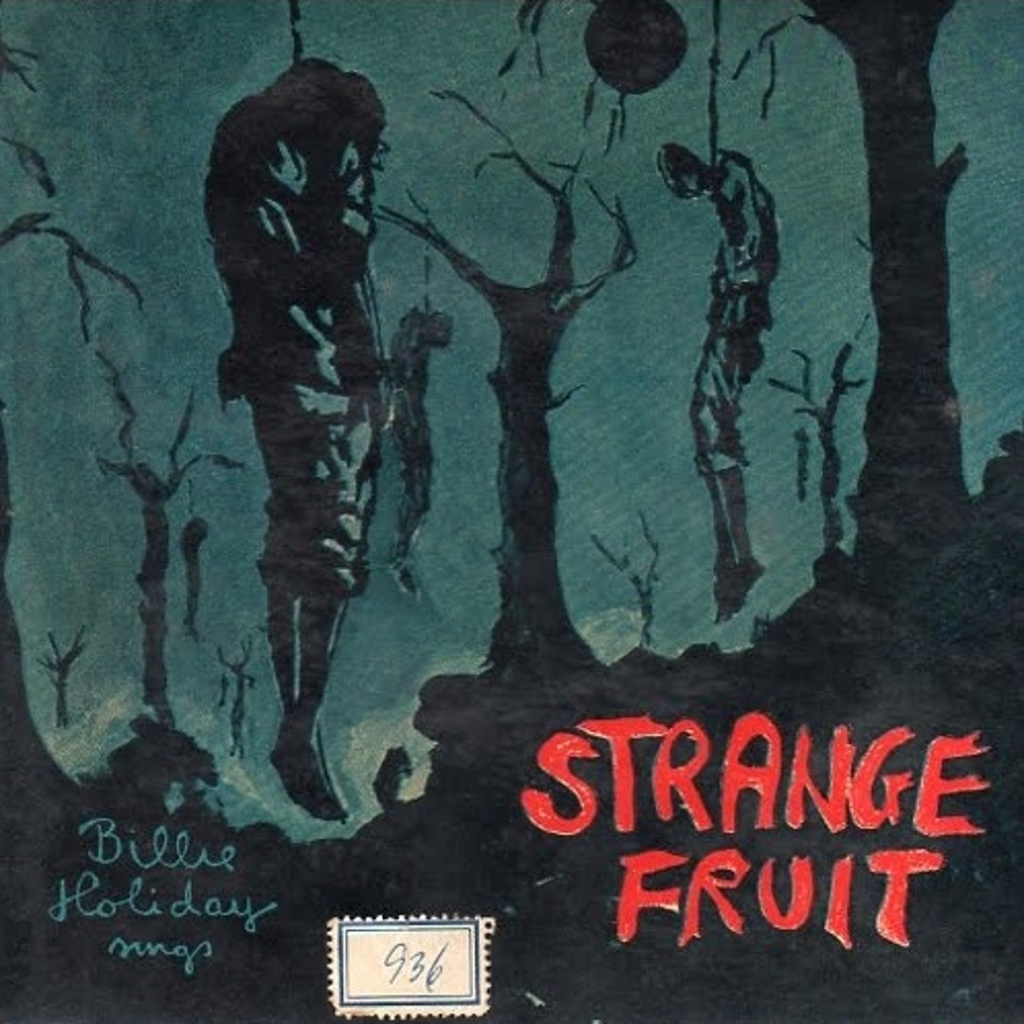
The song’s lyrics were written not by a professional songwriter in the music industry, but by a Jewish schoolteacher from the Bronx, Abel Meeropol, who was deeply affected by images of racial violence in the American South. What he created was a stark and unflinching poem about lynching, later set to music in a slow, mournful arrangement that mirrored the weight of its subject matter.
The opening lines alone are enough to define its impact: “Black bodies swinging in the Southern breeze / Strange fruit hanging from the poplar trees.” Rather than disguising its meaning in metaphor or abstraction, the song confronts the listener directly, painting a scene so vivid and unsettling that it is impossible to ignore.
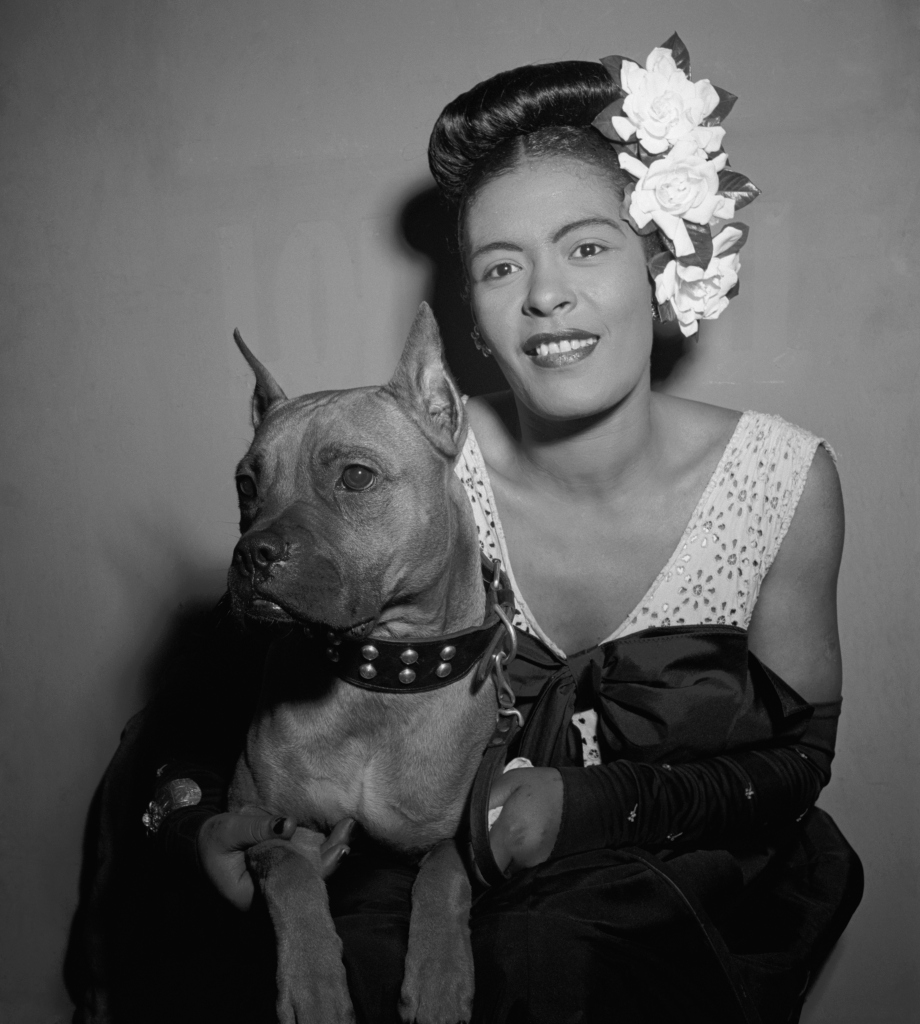
When Billie Holiday encountered the song, she immediately recognized its emotional and political power. At a time when she was already one of the most important voices in jazz, she made the decision to perform it despite knowing the risks. In the late 1930s, “Strange Fruit” was far outside the boundaries of what major record labels were willing to release.

Holiday was under contract with Columbia Records, but the label refused to record or distribute the song due to its controversial subject matter. As a result, she turned to an independent label, allowing the recording to be released outside the traditional industry system. That decision alone marked the song as something different — not just musically, but politically and culturally.
The recording itself is striking in its restraint. There is no sense of theatricality or exaggeration. Instead, Holiday sings with a calm, almost distant delivery, allowing the weight of the lyrics to carry their own emotional force. The band behind her plays sparsely, creating a space that feels suspended in silence, as if time itself has slowed down to accommodate the subject matter.
That contrast between simplicity and horror is part of what makes the song so powerful. There is no attempt to soften its message or make it more palatable. Instead, it relies on stillness — on forcing the listener to sit with the imagery rather than escape from it. In that sense, silence becomes as important as sound.
When “Strange Fruit” was first performed live, it reportedly created an intense reaction in audiences. The atmosphere would shift dramatically as Holiday approached the song, and she often ended performances by refusing to continue afterward, stepping away from the stage immediately. It was not treated as entertainment. It was treated as testimony.
Over time, the song became one of the earliest and most important protest recordings in American music history. It did not emerge from a movement already fully formed, but it helped define what protest music could be — direct, emotionally charged, and unafraid to confront the darkest realities of society.
Its relevance has endured far beyond its original era. Artists and performers across generations have revisited the song, recognizing that its subject matter, while rooted in a specific historical context, continues to echo in modern conversations about racial violence and injustice. As actress and singer Andra Day noted while portraying Holiday, the song’s message remains painfully current, reflecting ongoing struggles rather than distant history.
Musically, “Strange Fruit” stands apart from almost everything else in Holiday’s catalog. Known for her expressive phrasing and emotional subtlety, she here strips performance down to its essentials. Every word feels measured, every pause deliberate. The result is not a song that builds toward release, but one that holds tension from beginning to end.
What makes the recording so enduring is not only its subject matter, but its refusal to look away. It does not offer resolution, comfort, or escape. Instead, it creates a space where the listener is asked to witness, reflect, and remember.
At a time when much of popular music avoided direct confrontation with social issues, “Strange Fruit” stood alone. It was not designed to be easy listening. It was designed to be impossible to forget.
And that is exactly what it became. A song that refuses to fade. A warning carried through music. And a memory that still demands to be heard.
