Music History
Caught In A Trap: The Story Behind Elvis Presley’s Greatest Comeback
Some songs don’t just define an artist’s career—they rescue it. “Suspicious Minds” by Elvis Presley is one of those rare recordings. Released at a moment when Presley’s career had drifted away from its early fire, it became not only a chart-topping hit but also a powerful artistic rebirth that reminded the world why he had once been called the King of Rock and Roll.
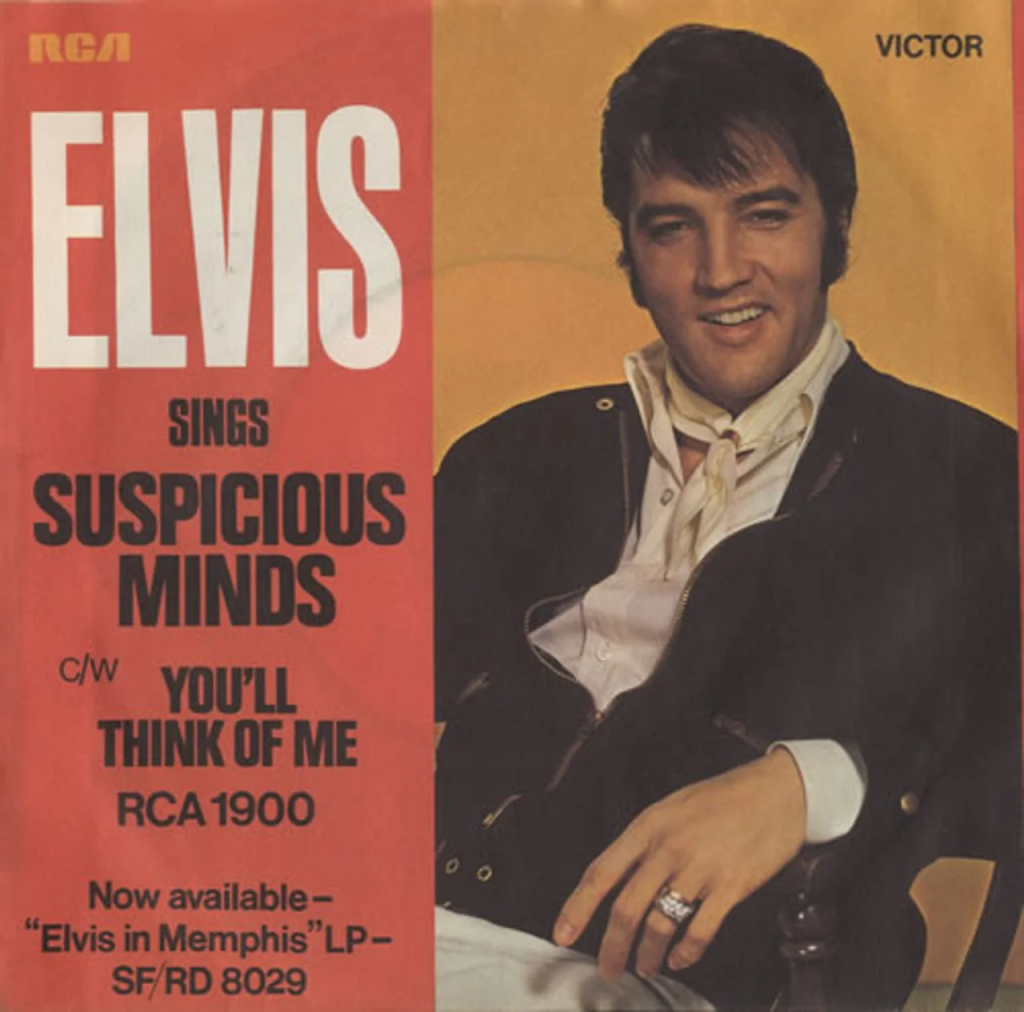
By the late 1960s, Elvis Presley found himself in a difficult position. Once the most electrifying performer in popular music, he had become increasingly disconnected from the creative center of his work. Surrounded by industry pressures, contractual obligations, and a growing circle of financial and personal dependencies, he was, in a sense, “caught in a trap”—a phrase that would later echo uncannily in one of his greatest songs.
That song arrived in 1969, brought to him by producer Chips Moman during the legendary Memphis recording sessions that would help restore Presley’s reputation as a serious artist. At the time, “Suspicious Minds” had already failed commercially when recorded the previous year by songwriter Mark James. On paper, it was not an obvious hit. But Presley heard something in it that others had missed.
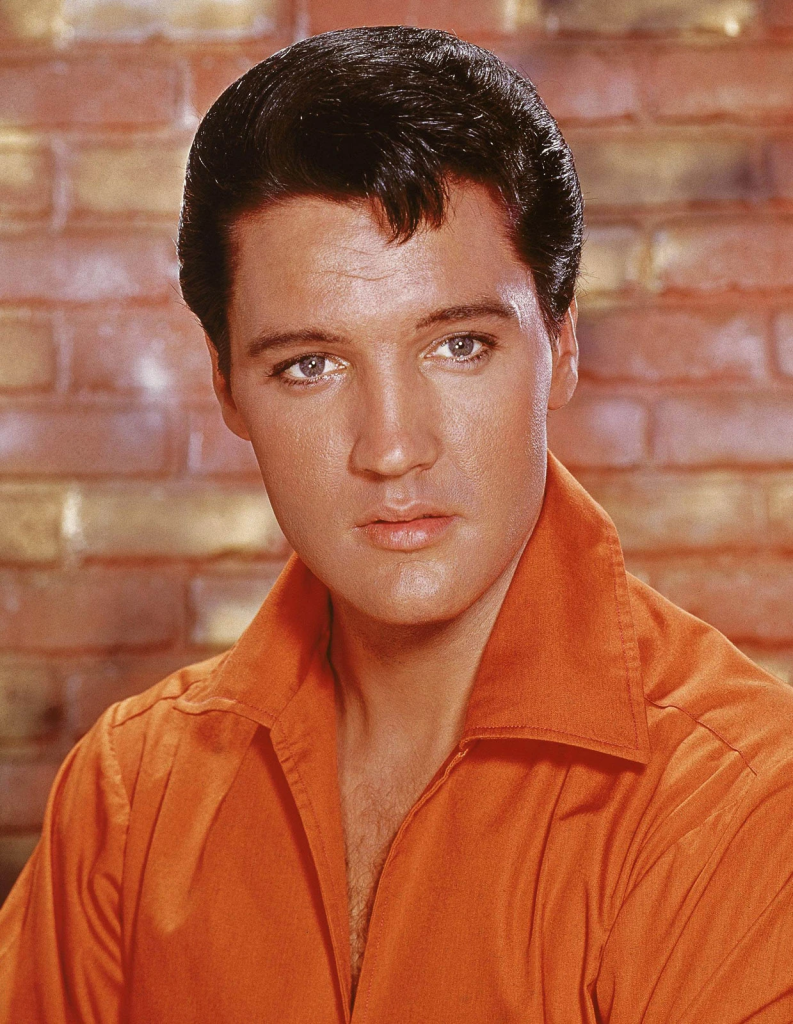
Recording took place in the early hours of the morning, typically between four and seven o’clock, when the studio was quiet and the atmosphere felt almost private. In that space, Presley delivered one of the most impassioned vocal performances of his career. His voice carries both exhaustion and urgency, as if every line is being pulled from somewhere deeply personal.
When “Suspicious Minds” was released, it quickly became a major success, ultimately reaching Number One and becoming the final chart-topping single of Presley’s lifetime. More importantly, it marked a turning point in how audiences viewed him. No longer just a fading icon of an earlier era, he was once again a vital, emotionally compelling artist.
