Music History
How Roy Orbison’s ‘Only the Lonely’ Redefined Pop Music in the 1960’s
When Roy Orbison released “Only the Lonely” in 1960, it did much more than just introduce a new hit song to the music scene—it fundamentally changed the way emotion was expressed and experienced within popular music.
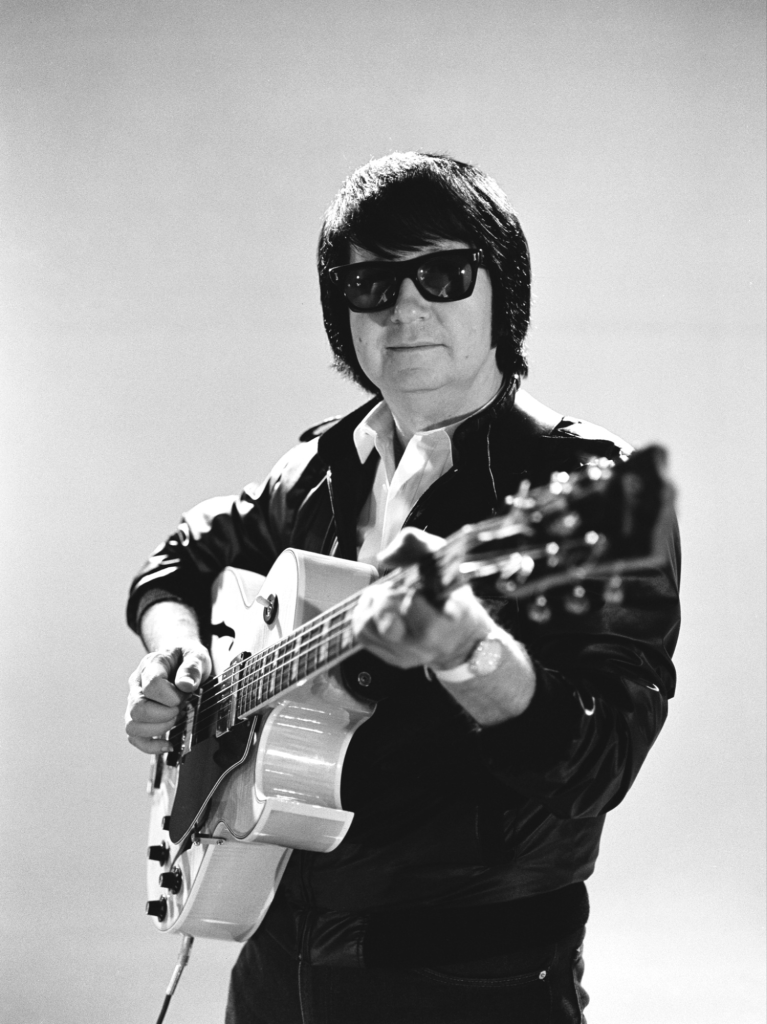
At a time when rock and roll was largely characterized by its high energy, youthful rebellion, and raw, electrifying power, Orbison chose a distinctly different path by embracing vulnerability and delivering a tender ballad that felt deeply personal while also striking a chord of universal relatability with listeners around the world.
From the very first haunting notes of the song’s opening to its soaring, almost operatic climax, the track distinguished itself sharply from the typical rock and roll sound of that era. Orbison’s voice, at once fragile yet immensely powerful, conveyed a profound sense of longing and heartache that few other artists could ever hope to match.
Backed by the expert production skills of Fred Foster and the songwriting talents of Joe Melson, the song carefully built its emotional intensity through subtle yet effective instrumentation and layered arrangements, skillfully avoiding the temptation of excessive overblown theatrics.

Originally, the song had been offered to several other prominent artists of the time, including Elvis Presley, but it was Orbison’s unique interpretation and heartfelt delivery that truly brought the song to life and gave it its definitive identity.
His bold and innovative use of falsetto introduced a fresh and compelling dimension to the world of pop music, demonstrating that expressions of heartbreak could be both delicate and dramatically powerful simultaneously.
The success of the song was immediate and extraordinary, rapidly climbing the charts in both the United States and the United Kingdom, but its deeper influence extended far beyond mere commercial success.
“Only the Lonely” opened the door for a more introspective and emotionally rich style of songwriting, leaving a lasting impact that inspired countless generations of artists who followed in Orbison’s footsteps.
Even many decades later, the song continues to resonate deeply with audiences, not simply because of its nostalgic appeal, but because its raw, heartfelt emotion remains timeless, authentic, and untouched by the passing years or changing musical trends.
