Music History
It Was Supposed To Be The B-Side — Instead It Made Dionne Warwick A Star
Some of the greatest songs in history were obvious hits from the moment they were recorded. Others nearly slipped through the cracks, hidden on the opposite side of a vinyl record until someone finally gave them a chance. “Walk on By” by Dionne Warwick belongs to the second category — a song that was never meant to be the main attraction, yet ended up defining an entire career.

Before becoming one of the most recognizable voices in American popular music, Warwick worked behind the scenes as a backup singer in New York’s famous Brill Building. She also recorded demonstration tracks for two of the era’s most gifted songwriters, Burt Bacharach and Hal David, helping bring their compositions to life before other artists recorded them.
Those demo sessions revealed something special. Warwick possessed a voice unlike anyone else’s — elegant, emotionally restrained, yet capable of communicating enormous vulnerability. Bacharach and David quickly recognized that the songs they were writing often sounded best when she sang them herself.
By the early 1960s, the trio had already begun building a remarkable partnership through a string of successful singles. Many of those songs cast Warwick as a woman desperately trying to hold on to love, giving her an emotional role that listeners immediately connected with. “Walk on By” would become the defining example of that approach.

The song tells a simple but devastating story. After a relationship has ended, the narrator asks her former lover to pretend not to notice her if they happen to meet in public. It is a request born not from anger, but from heartbreak — an attempt to preserve dignity while hiding pain that still feels overwhelming.
Musically, the recording achieves something remarkable. Rather than matching its sadness with heavy orchestration or dramatic performances, Bacharach built the song around a graceful bossa nova rhythm. The gentle pulse creates a striking contrast with the emotional weight of the lyrics, allowing sorrow and elegance to exist side by side.
Warwick’s performance is equally understated. She never raises her voice or reaches for melodrama. Instead, she sings with quiet control, making every phrase feel intimate and believable. That restraint became one of her greatest strengths, proving that heartbreak does not always need to be shouted to be deeply felt.
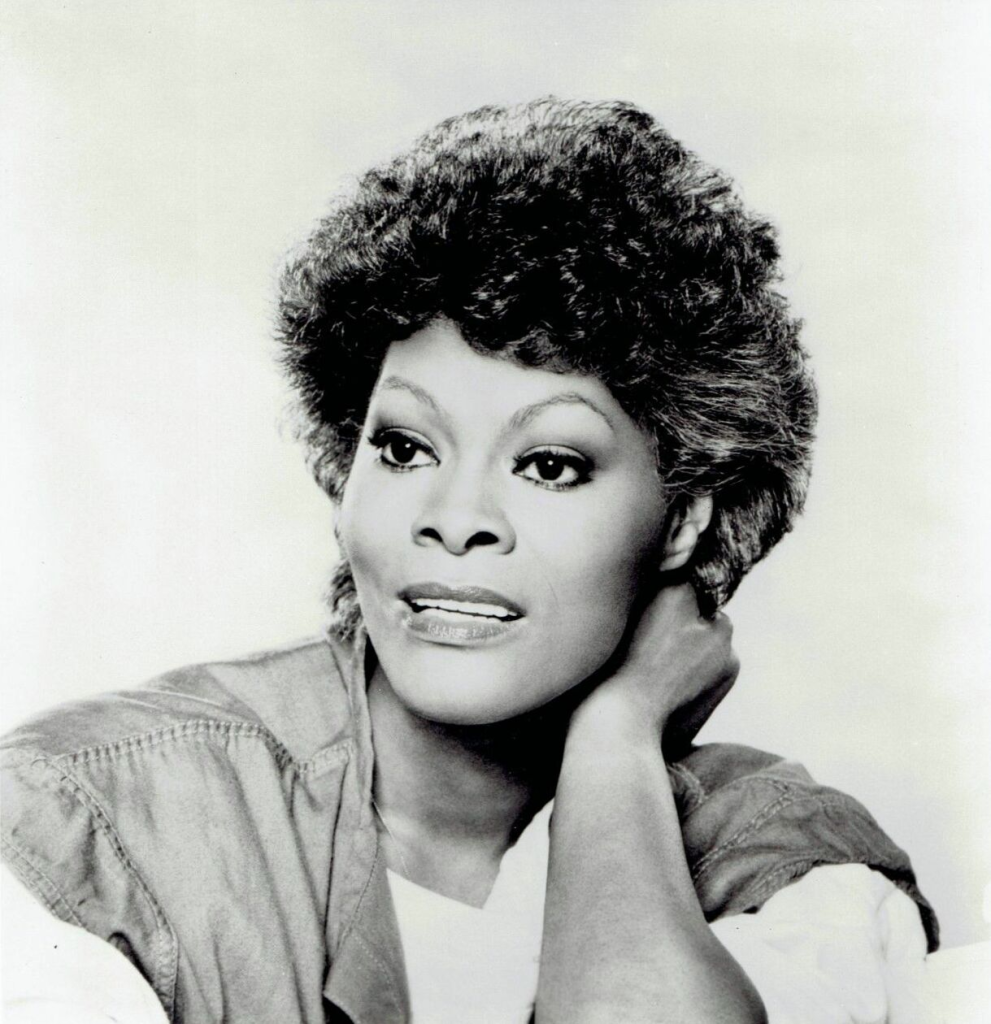
Ironically, despite all its strengths, “Walk on By” was not initially considered the stronger song. It was placed on the B-side of the single, while “Any Old Time of the Day” received the primary attention from the record company. Under normal circumstances, that decision might have limited its reach forever. But radio changed everything.
New York disc jockey Murray the K invited listeners to vote on which side of the record they preferred. Instead of embracing the designated A-side, audiences overwhelmingly chose “Walk on By.” Their response completely altered the song’s trajectory, prompting radio stations to give the ballad the attention it had originally been denied.
Its rise was particularly impressive because it occurred during the height of Beatlemania, when British rock groups dominated the charts and seemed almost impossible to compete against. Yet while much of popular music celebrated youthful excitement and optimism, “Walk on By” offered something entirely different — quiet resilience wrapped inside sophisticated songwriting.
Years later, Warwick would jokingly reflect on that period by saying, “I didn’t get the guy very often in those days.” Behind the humor was a truth about many of the songs Bacharach and David wrote for her. They often explored disappointment, longing, and emotional endurance instead of happy endings. But it was precisely that emotional complexity that made them timeless.
“Walk on By” became one of Warwick’s signature recordings and one of the defining achievements of the Bacharach-David partnership. It demonstrated that popular music could be sophisticated without becoming distant, emotionally devastating without becoming theatrical, and commercially successful without following prevailing trends.
More than sixty years after its release, the song remains one of the greatest heartbreak ballads ever recorded. Its influence can be heard across soul, pop, jazz, and R&B, inspiring countless artists who have tried to capture the same balance of grace and emotional honesty.
In the end, “Walk on By” wasn’t just the wrong side of a single. It was the right song waiting for someone to listen.
