Music History
Released In 1964, This Song Became A Farewell, A Protest, And A Prophecy — And One Of The Most Important Recordings In American History
Some songs are written to entertain. Some are written to express emotion. And then there are rare songs that feel as though they carry the weight of an entire era inside them. Sam Cooke’s “A Change Is Gonna Come” is one of those recordings — a piece of music that became larger than its creator, transforming into both a personal confession and a collective anthem for hope, struggle, and survival.

By the early 1960s, Sam Cooke was already a major star. He had helped shape the sound of modern soul music and achieved mainstream success with a string of hit records. But behind the polished success of his career, Cooke was deeply affected by what he was witnessing in America — particularly the realities of racial injustice and the emotional toll of life on the road during segregation.
A turning point came when Cooke heard Bob Dylan’s “Blowin’ in the Wind.” What struck him was not just the song itself, but the fact that a young white folk singer was openly addressing questions of justice and equality in a way that felt direct and urgent. Cooke was both impressed and unsettled. It made him question what he, as one of the most successful Black artists in America, had not yet said through his own music.
The result of that reflection was “A Change Is Gonna Come,” recorded on January 30, 1964, with orchestral arrangements by René Hall. Unlike Cooke’s earlier, more radio-friendly work, this song was slower, heavier, and far more personal. It was not written for dance floors or jukeboxes. It was written as testimony.

What makes the song so powerful is how deeply it is rooted in Cooke’s own lived experiences. One of its verses reflects a disturbing incident in 1963, when Cooke and members of his entourage were arrested in Louisiana after attempting to register at a whites-only motel. That experience of humiliation and injustice became part of the emotional DNA of the song, shaping its tone of exhaustion and quiet defiance.
Another layer of grief comes from a more personal tragedy. Cooke’s young son, Vincent, died tragically in 1963, a loss that left a lasting emotional mark on him. That sense of personal sorrow is reflected in the song’s most vulnerable lines, where doubt and fatigue briefly surface before being met with resilience. The result is a rare kind of honesty — one that blends public struggle with private mourning.
Musically, the song is structured with a sense of patience and gravity. The orchestration does not overwhelm Cooke’s voice; instead, it surrounds it with a solemn, almost cinematic atmosphere. Every string swell feels intentional, every pause carries emotional weight. It is a departure from the upbeat energy of much of his earlier catalog, signaling a shift toward something more reflective and enduring.
Cooke’s vocal performance is central to the song’s impact. He sings not as a performer delivering lyrics, but as someone speaking from within experience. There is a controlled vulnerability in his voice — a sense that he is holding back emotion while still allowing it to be heard. That balance between strength and fragility is what gives the recording its lasting emotional power.
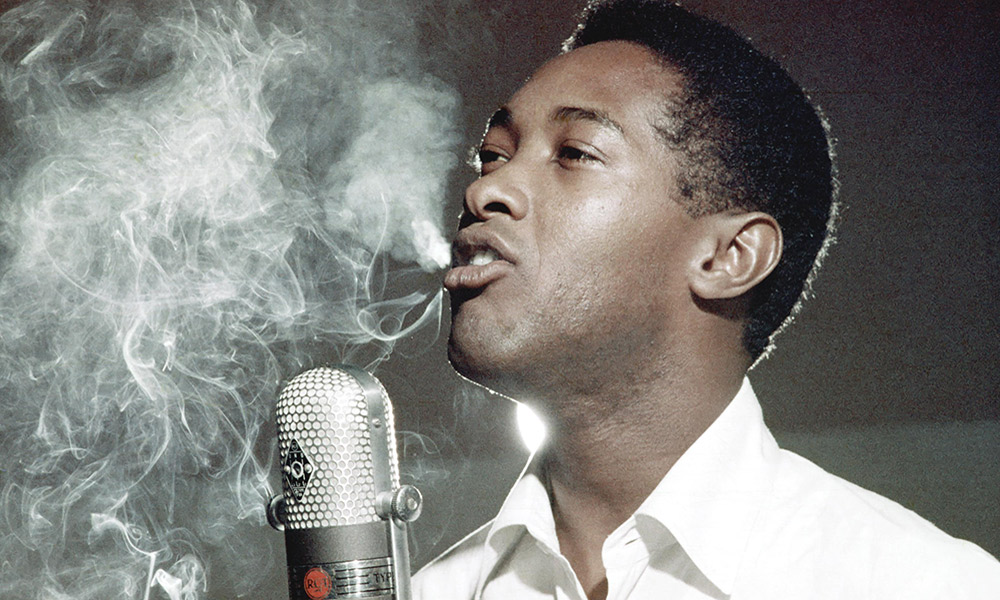
Tragically, Cooke would not live to see the full impact of what he had created. On December 11, 1964, just months after recording the song, he was shot and killed at a motel in Los Angeles under controversial circumstances. Two weeks later, “A Change Is Gonna Come” was released to the public.
In that moment, the song took on an entirely new meaning. It was no longer just a reflection of Cooke’s thoughts — it became his final statement. A farewell, unintentionally delivered, that captured both the pain of his life and the hope he still held onto despite it.
As the civil rights movement gained momentum in the years that followed, the song became an anthem of change and endurance. Its message of persistence in the face of injustice resonated deeply with those fighting for equality. It was played at marches, remembered in speeches, and passed down through generations as a reminder that progress, though slow, was possible.
What makes “A Change Is Gonna Come” timeless is not only its historical importance, but its emotional honesty. It does not promise that change comes easily or quickly. Instead, it acknowledges struggle, doubt, and exhaustion — and still chooses hope. That complexity is what makes it feel real rather than idealized.
Even today, the song continues to resonate in moments of social reflection and collective uncertainty. It speaks not only to a specific time in American history, but to any moment when people feel caught between hardship and the possibility of something better.
In the end, it stands as more than just a song. It is a document of lived experience, a piece of musical history, and a reminder of what it means to keep going when certainty is gone.
And it remains one of the most powerful promises ever put into music. A change didn’t just come. It was already on its way.
