Music History
Released In 1966, This Song Redefined What A Love Song Could Be — And Decades Later, It Still Sounds Like A Miracle
Some songs become popular for a season. Others dominate the charts for a few months before slowly fading into nostalgia. Then there are the rare songs that seem to escape time altogether, remaining just as powerful decades after their release as they were the day they first reached listeners.
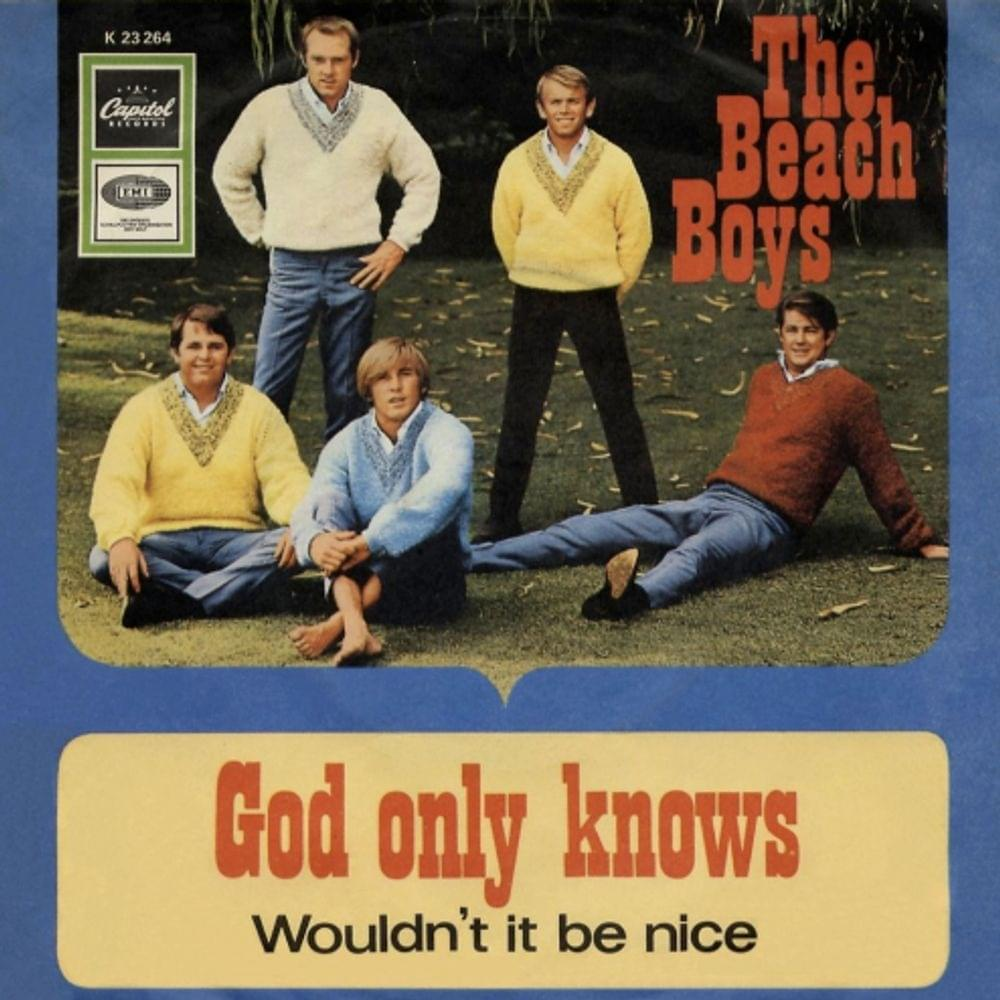
The Beach Boys’ “God Only Knows” belongs firmly in that category. Widely regarded as one of the greatest songs ever recorded, it is more than just a beautiful love song. It is a masterpiece of songwriting, arrangement, and emotional honesty that helped change the direction of popular music forever.
Released in 1966 on the landmark album Pet Sounds, “God Only Knows” arrived during one of the most creative periods in music history. Rock and pop music were rapidly evolving, but even in such an innovative era, the song stood apart. At a time when many love songs relied on simple romantic declarations, Brian Wilson wanted to create something deeper and more emotionally complex.
Rather than focusing on falling in love, he explored what it means to truly depend on another person and the fear that comes with imagining life without them. The result was a song that felt unusually mature, thoughtful, and vulnerable for its time.
One of the reasons the song continues to resonate is its remarkable emotional subtlety. The lyrics never rely on grand gestures or dramatic promises. Instead, they express a quiet but profound truth about love: that some people become so important to us that it’s difficult to imagine who we would be without them.
That idea is conveyed with such sincerity that listeners often find themselves emotionally affected even decades later. The song doesn’t shout its feelings; it gently reveals them, allowing the listener to discover its emotional depth with every new listen.
A crucial element of the song’s magic is the lead vocal performance by Carl Wilson. While Brian Wilson wrote and produced the track, he believed his younger brother’s voice possessed the warmth and tenderness the song required.
He was absolutely right. Carl’s vocal is remarkably understated, avoiding unnecessary flourishes or dramatic moments. Instead, he delivers the lyrics with a sincerity that makes every line feel genuine. His performance gives the song its emotional center and remains one of the most admired vocal recordings in pop music history.

Musically, “God Only Knows” was unlike almost anything being played on the radio in 1966. Brian Wilson’s production combined elements of classical music, jazz, traditional pop, and rock into something entirely new.
The arrangement is filled with unexpected instrumental choices and intricate harmonic layers that reveal new details with each listen. Yet despite its sophistication, the song never feels complicated or inaccessible. Everything serves the emotional message, creating a recording that is both intellectually impressive and deeply moving.
The harmonies, in particular, helped establish the song as something truly special. The Beach Boys were already famous for their vocal arrangements, but “God Only Knows” elevated that reputation to another level.
As the song progresses, the voices intertwine with extraordinary precision, creating a sense of beauty and emotional weight that few groups have ever matched. The famous closing section, where multiple vocal lines overlap and weave together, remains one of the most celebrated moments in popular music history.
Interestingly, the song almost faced resistance before it ever reached audiences. In the mid-1960s, many people considered the word “God” controversial in a pop song title. Record executives worried that some radio stations might refuse to play it, while others feared listeners would misunderstand its intent.
Looking back, those concerns seem almost impossible to imagine. The title ultimately became one of the reasons the song felt so distinctive, and its sincerity ensured that audiences embraced it rather than rejected it.

As the years passed, the reputation of “God Only Knows” only continued to grow. Countless musicians, songwriters, and producers have cited it as one of the finest recordings ever made. Its influence can be heard across multiple generations of music, from sophisticated pop productions to intimate singer-songwriter ballads. What began as a daring artistic experiment eventually became a benchmark against which other love songs were measured.
Yet technical brilliance and critical acclaim only tell part of the story. The reason people continue returning to “God Only Knows” isn’t because of its historical importance or innovative production techniques.
It’s because the emotions at its core remain universal. Nearly everyone has experienced the kind of love the song describes — the realization that another person has become such an essential part of your life that imagining their absence feels almost unbearable. Few songs capture that feeling with such grace and honesty.
Nearly sixty years after its release, “God Only Knows” remains one of those rare recordings that seems untouched by age. New listeners continue to discover it, while longtime fans find new meaning in it as they move through different stages of life. It is a song about love, but also about gratitude, vulnerability, and human connection.
In an industry where most hits eventually fade into the background, “God Only Knows” continues to stand tall as a reminder of what music can achieve when artistry and emotion come together perfectly.
Many songs are remembered because they were popular. “God Only Knows” is remembered because it is timeless. Decades after its release, it still feels fresh, heartfelt, and astonishingly beautiful — a musical achievement that continues to inspire listeners, musicians, and dreamers all over the world.
