Music History
Released In 1972, This Funk Explosion Turned A Drum Beat Into A Revolution — And Became One Of Stevie Wonder’s Defining Moments
Some songs are built in studios. Others are carefully written at pianos. But every so often, a track is born from pure rhythm — something felt before it is fully understood. Stevie Wonder’s “Superstition” is one of those rare records, a song that feels less like it was composed and more like it was unleashed.
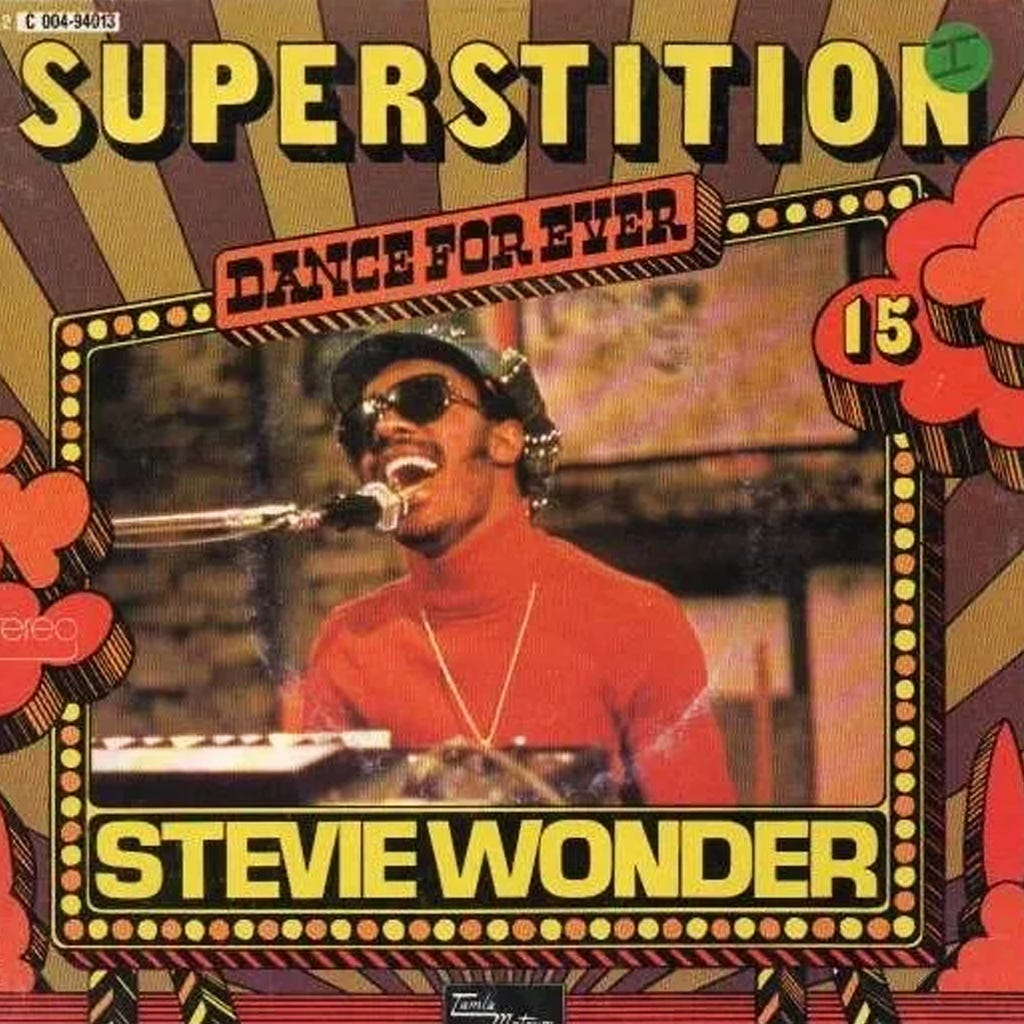
In the early 1970s, Stevie Wonder was entering a transformative period in his career. No longer just a former child star, he was pushing into deeper artistic territory, blending funk, soul, and experimental rhythm into a sound that would define his legacy. “Superstition” became the moment where that evolution fully snapped into focus.
Remarkably, the song began not at a piano or in a formal writing session, but at a drum kit. Wonder built the foundation of the track by playing a groove and humming the remaining parts to himself, layering rhythm and melody in real time. That instinctive approach gave the song its signature feel — tight, mechanical, and yet completely alive.
At one point, Wonder had even intended to give the song away. Guitarist Jeff Beck was originally meant to record it, and the collaboration could have taken the track in a very different direction. But Berry Gordy, head of Motown, recognized its importance and refused to let it leave Wonder’s hands. That decision would prove crucial, as the song became one of the defining recordings of his career.

When “Superstition” was first performed live in 1972 while opening for the Rolling Stones, it immediately stood out. The energy was raw, explosive, and unlike much of what audiences expected from a Motown artist at the time. The groove didn’t just support the song — it was the song, built around a hypnotic clavinet riff that felt both mechanical and deeply human at the same time.
Released as the lead single from the album Talking Book, the track quickly became a breakthrough moment for Wonder, reaching No. 1 and marking his first chart-topping success in nearly a decade. But its impact went far beyond commercial performance. It signaled a new creative independence and a bold shift in the direction of modern soul and funk music.
Lyrically, the song challenges the idea of superstition as a guiding force in human behavior. Wonder was reflecting on how people often allow irrational beliefs to shape their lives, sometimes to their own detriment. His message is direct but not preachy — a warning wrapped inside a groove too infectious to resist.
As he later explained, the core idea was simple: the more power people give to superstition, the more it seems to control them. That concept, delivered through a rhythm-driven funk explosion, turned a philosophical observation into something physical — a song you feel in your body as much as you hear.
Musically, “Superstition” is built on tension and precision. Every element locks into place like machinery, yet the performance never feels rigid. The bass, drums, and clavinet create a dense rhythmic structure, while Wonder’s vocals cut through with clarity and urgency. It is controlled chaos, carefully balanced so that nothing feels wasted.
Part of what makes the song so enduring is its dual identity. On one hand, it is a deeply technical piece of funk innovation. On the other, it is pure instinct — a spontaneous creation that captures the energy of a moment rather than a meticulously planned arrangement. That combination gives it both sophistication and immediacy.
Over the years, “Superstition” has become one of Stevie Wonder’s most iconic songs, frequently cited as a landmark in funk and popular music history. It influenced generations of musicians, from funk bands to rock artists, all drawn to its rhythmic boldness and sonic confidence.
Even today, the track feels strikingly modern. Its groove remains sharp, its message remains relevant, and its energy remains undeniable. Few songs manage to balance complexity and accessibility so effortlessly, but “Superstition” does it with ease.
It wasn’t just a hit single. It was a statement — that rhythm itself could carry an idea, a warning, and a celebration all at once.
