Music History
Released in 1980, this song didn’t romanticize heartbreak, it examined it. No drama, no blame, just honesty after the love was gone. Decades later, its quiet truth still hits just as hard.
Few songs delve into the complex emotions of heartbreak with the quiet authority and remarkable emotional clarity that is so powerfully present in “Love on the Rocks.”
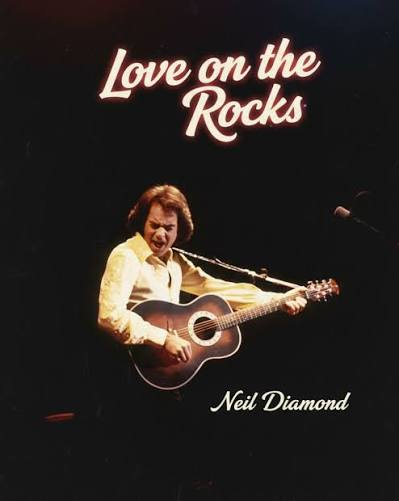
Penned and recorded by Neil Diamond back in 1980, this timeless song stands out as a deeply mature and thoughtful reflection on the painful unraveling of love, skillfully balancing a sense of bitterness with a calm resignation, rather than descending into overt dramatic despair.
Right from the very first line, the song sets an intimate and confessional tone that feels far less like a staged performance and much more like a sincere, late-night conversation between close friends.

From a songwriting perspective, “Love on the Rocks” showcases Diamond’s strength in narrative economy through plainspoken lyrics that avoid grand metaphors.
The recurring image of “rocks” suggests emotional instability and the inevitability of collapse when connection fades.
Musically, the arrangement reinforces restraint with a steady, blues-tinged piano progression that sets a reflective mood.
The accompaniment holds back rather than drives forward, giving space for the vocal to carry the emotional weight.
Subtle layers of strings and guitar emerge gradually, mirroring how unresolved feelings surface over time.
Neil Diamond’s vocal delivery blends grit and vulnerability, conveying emotional fatigue without self-pity.
His phrasing and pauses allow silence to deepen the sense of distance and acceptance within the song.
Culturally, the song gained wider recognition through its appearance in The Jazz Singer, but its longevity extends far beyond that moment. “Love on the Rocks” resonates because it captures the aftermath of heartbreak, when clarity replaces chaos.
In the digital era, the song continues to reach new listeners through streaming platforms and reflective playlists. Its conversational tone and emotional honesty translate naturally into modern listening habits and online sharing.
Ultimately, “Love on the Rocks” endures because it treats heartbreak as a shared human experience rather than a dramatic spectacle. Through restrained instrumentation, direct lyricism, and a grounded vocal performance, the song continues to speak quietly but with lasting impact.
