Celebrity Stories
She Was Raised In Orphanages And Broken Homes But Became Hollywood’s Most Iconic Star
Before Marilyn Monroe became one of the most recognizable faces in the world, she was a young girl who spent much of her childhood searching for a place to belong. Long before the glamorous photos, movie premieres, and status as a Hollywood legend, Monroe experienced loneliness, instability, and uncertainty. Behind the image of the confident blonde star was someone who carried the pain of a difficult beginning and spent much of her life trying to find the love and security she never had as a child.
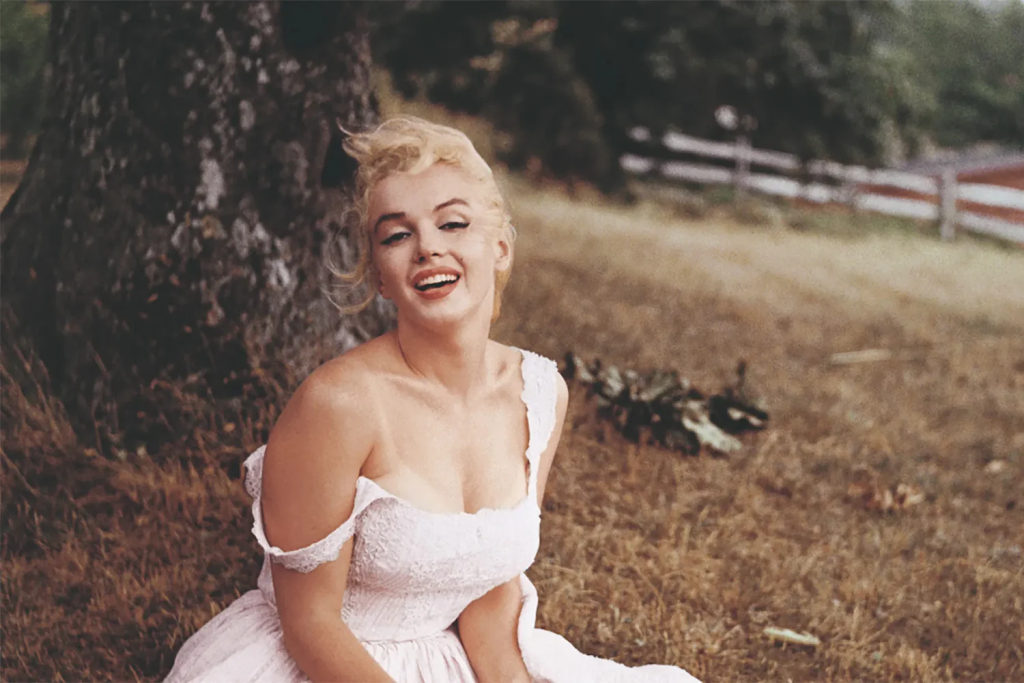
Born Norma Jeane Mortenson in 1926 in Los Angeles, Monroe grew up without the stability many children take for granted. Her mother, Gladys, struggled with mental health issues, leaving Monroe to spend much of her childhood moving between foster homes, orphanages, and the homes of family friends. Those early years were filled with feelings of abandonment and insecurity, but they also shaped the determination that would later help her survive one of the toughest industries in the world.
As a teenager, Monroe married young and began searching for a new direction in life. Her modeling work eventually opened the door to Hollywood, where she transformed from Norma Jeane into Marilyn Monroe. After early struggles and small roles, she became a major star through films such as Gentlemen Prefer Blondes, The Seven Year Itch, and Some Like It Hot. Her beauty, comedic timing, and screen presence made her one of the biggest movie stars of the 1950s and turned her into a symbol of Hollywood glamour.
Yet Marilyn Monroe’s story has always been about more than fame and beauty. Despite becoming an international icon, she continued battling personal struggles and searching for the acceptance she had long wanted. Her life ended tragically in 1962, but her influence never disappeared. The girl who grew up without a permanent home became one of the most famous women in history, proving that even a painful beginning can lead to a legacy that lasts for generations.
