Music History
The Rap Song That Took Hip-Hop Off The Dance Floor And Into Reality
Every genre has a defining moment when it grows beyond entertainment and becomes something more. For hip-hop, that moment arrived in 1982 with “The Message.” Recorded by Grandmaster Flash and the Furious Five, the groundbreaking single transformed rap from energetic party music into a powerful form of social commentary, proving that hip-hop could tell stories every bit as moving and important as any other style of music.

In the years before “The Message,” most rap records celebrated the excitement of block parties, DJs, dancing, and having a good time. Hip-hop was still in its infancy, and its infectious energy made it one of New York City’s fastest-growing musical movements. But few records attempted to explore the hardships that many of the artists and listeners experienced outside the party.
That changed when songwriter Duke Bootee, a schoolteacher with a gift for storytelling, wrote a poem about life in America’s struggling inner cities. Rather than focusing on celebration, his words painted a vivid picture of poverty, frustration, crime, broken neighborhoods, and the emotional toll of trying to survive in an unforgiving environment.
Sylvia Robinson, the founder of Sugar Hill Records and one of hip-hop’s earliest champions, immediately recognized the poem’s potential. She decided it deserved to become a rap record and enlisted Melle Mel of the Furious Five to bring its powerful lyrics to life. The result sounded unlike anything listeners had heard before.
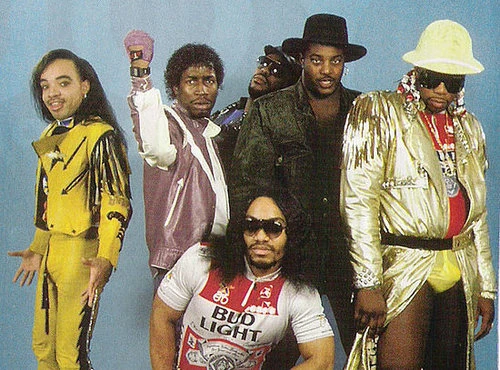
Driven by a haunting synthesizer riff and an unforgettable groove, “The Message” abandoned the playful tone that dominated early rap. Instead, Melle Mel delivered verse after verse with remarkable intensity, describing overcrowded housing, financial desperation, violence, and the psychological pressure of daily life in neglected communities. The lyrics felt less like entertainment than firsthand testimony.
One line in particular became instantly iconic: “Don’t push me ’cause I’m close to the edge.” It captured the emotional exhaustion experienced by countless people who felt trapped by circumstances beyond their control. Rather than offering easy solutions, the song simply demanded that listeners acknowledge a reality many preferred to ignore.
Ironically, despite the record being credited to Grandmaster Flash and the Furious Five, Grandmaster Flash himself was largely absent from the recording. Years later, he openly admitted his frustration, explaining that only Melle Mel and Duke Bootee actually appeared on the track. While the group name helped attract attention, the creative contributions behind the song were far more limited than many listeners realized.

None of that diminished its extraordinary impact. When “The Message” reached New York radio stations, it spread with astonishing speed. Flash later recalled hearing the record constantly, describing how it seemed to play “all day, every day.” The song resonated because it gave voice to experiences that millions of people recognized but rarely heard reflected in popular music.
Its influence extended far beyond commercial success. “The Message” fundamentally changed expectations of what rap music could accomplish. Suddenly, hip-hop was no longer viewed solely as party music or a passing trend. It had become a platform for storytelling, social criticism, and honest reflection on contemporary life.
That shift opened the door for generations of artists who would use rap to address inequality, politics, racism, violence, identity, and personal struggle. Without “The Message,” much of the socially conscious hip-hop that followed—from the late 1980s through today—might have developed very differently.
Musically, the record was equally forward-thinking. Its sparse production, futuristic synthesizers, and hypnotic rhythm created a sense of tension that perfectly matched the lyrics. Rather than overwhelming the message, the instrumental allowed every word to land with maximum emotional weight.
More than four decades after its release, “The Message” remains one of the most influential recordings in hip-hop history. It demonstrated that great rap could do more than make people dance—it could make them think, empathize, and confront uncomfortable truths about the world around them.
Countless artists have built upon the foundation it created, but its power remains undiminished. The struggles described in the song continue to resonate with new generations, reminding listeners that music can be both deeply personal and profoundly political.
In the end, “The Message” didn’t just change hip-hop. It gave an entire generation a language for telling its own story—and changed the future of popular music in the process.
