Music History
The Song Everyone Thought Was About His Life — But Sly Stone Said They Were Wrong
Some songs invite listeners to search for hidden meanings. Others practically demand it. “Family Affair” by Sly and the Family Stone is one of those records that has inspired decades of interpretation, speculation, and debate. Wrapped inside one of the smoothest grooves ever recorded is a song that remains as mysterious today as it was when it first appeared in 1971.

By the beginning of the 1970s, Sly Stone had already transformed American music. With a groundbreaking mix of funk, soul, rock, gospel, and psychedelic influences, Sly and the Family Stone had become one of the most innovative bands of their era. Their music celebrated optimism, diversity, and togetherness, producing timeless hits that seemed to embody the hopeful spirit of the late 1960s.
But by the time the band entered the studio to make There’s a Riot Goin’ On, that optimism had largely disappeared.The social climate had changed dramatically. Political unrest, racial tension, and personal struggles had cast long shadows over the country
And Stone himself had become increasingly withdrawn. Rather than creating another vibrant celebration of unity, he began crafting an album that felt quieter, darker, and far more introspective. Leading the project was “Family Affair,” a song unlike anything the band had released before.
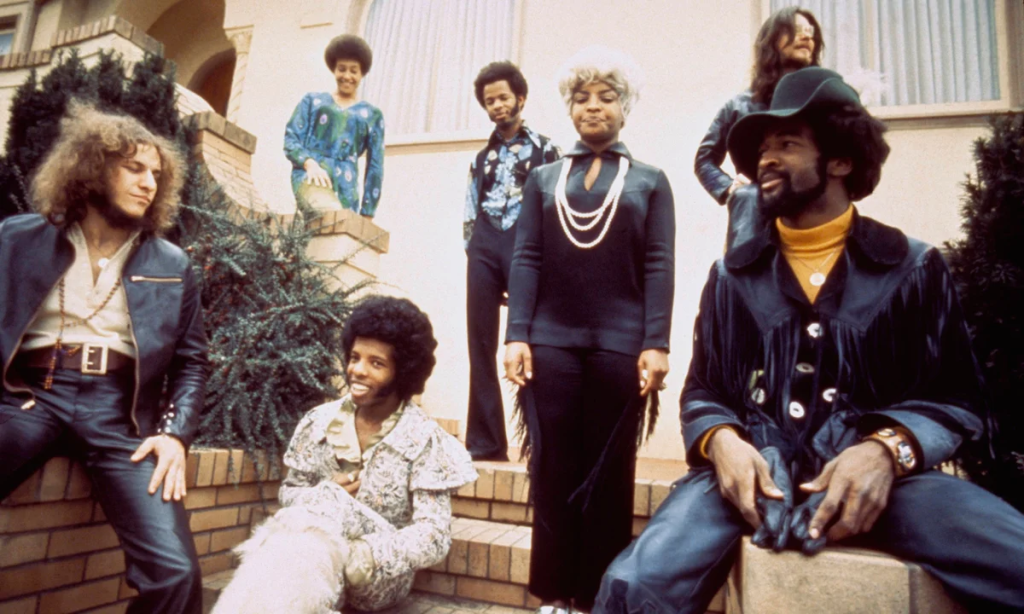
Built around a hypnotic electric piano, sparse drum-machine rhythms, and an effortlessly relaxed vocal performance, the track abandoned the explosive energy that had defined earlier hits. Instead, it drifted forward with an almost dreamlike quality, creating an atmosphere that felt intimate, uneasy, and strangely beautiful all at once.
The recording sessions themselves reflected that fragmented mood. During an interview shortly after the album’s release, Stone was asked about persistent rumors that he had played nearly every instrument on the record himself. His response was characteristically cryptic: “I’ve forgotten, man. Whatever was left.”
Whether entirely true or not, the comment captured the unconventional nature of the album’s creation. Rather than functioning like a traditional band recording together, There’s a Riot Goin’ On emerged through layers of overdubs, experimentation, and solitary studio work, giving the music its hazy, deeply personal character.
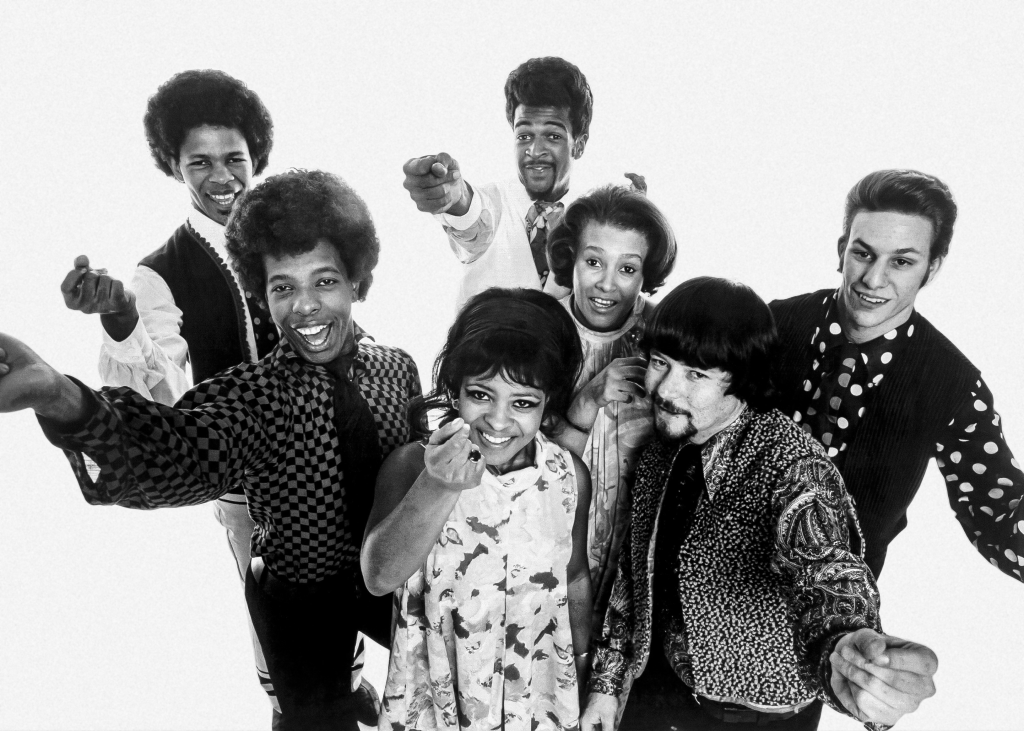
Because of Stone’s increasingly complicated relationships—with members of his band, his own family, and political organizations like the Black Panthers—many listeners naturally assumed that “Family Affair” was a coded autobiography. Every lyric seemed to invite connections to the turmoil surrounding his life. Stone consistently resisted those interpretations.
Asked directly whether the song reflected those personal conflicts, he dismissed the idea. “Song’s not about that,” he explained. Instead, he described it as being about family itself—about the complicated bonds that exist whether they are shaped by genetics or by the environments people grow up in. In his view, the song was meant to speak to universal relationships rather than his own.
That ambiguity became one of the song’s greatest strengths. Rather than offering clear answers, “Family Affair” allows listeners to project their own experiences onto its lyrics. Every family carries its own tensions, loyalties, misunderstandings, and moments of forgiveness, and the song never pretends those emotions can be easily explained.
Despite its understated sound, “Family Affair” became one of Sly and the Family Stone’s biggest commercial successes, reaching the top of the charts while introducing audiences to a darker, more mature vision of funk music. It proved that songs didn’t need explosive arrangements or flashy performances to leave a lasting impression. Sometimes the quietest grooves carry the deepest emotional weight.
Over the decades, the song has remained one of the defining recordings of the 1970s, admired not only for its innovation but also for its emotional complexity. It captures the messy reality of human relationships without judging them, offering empathy instead of easy conclusions.
Perhaps that’s why “Family Affair” continues to resonate. Families are rarely simple. They can be sources of comfort, conflict, identity, and pain—often all at once. Sly Stone understood that better than most, and he transformed that understanding into one of funk’s most enduring masterpieces.
In the end, “Family Affair” wasn’t about one family. It was about all of them.

Ira Greenbey
July 29, 2026 at 12:10 am
I grew up in the 60’s and 70’s, I believe this album was about all humanity, because when you really think about it, Adam(Peace be upon him) and Eve are the first and in Qur’aan, God mentions us as the children of Adam(AS).