Music History
The Song He Was Thinking About While His Car Burned — And That Made Him A Global Icon
Some songs are carefully engineered in studios over weeks. Others arrive in fragments — a rhythm, a feeling, a pulse that refuses to disappear. “Billie Jean” by Michael Jackson belongs to the second category, a track built from obsession, instinct, and a beat that feels almost impossible to escape.
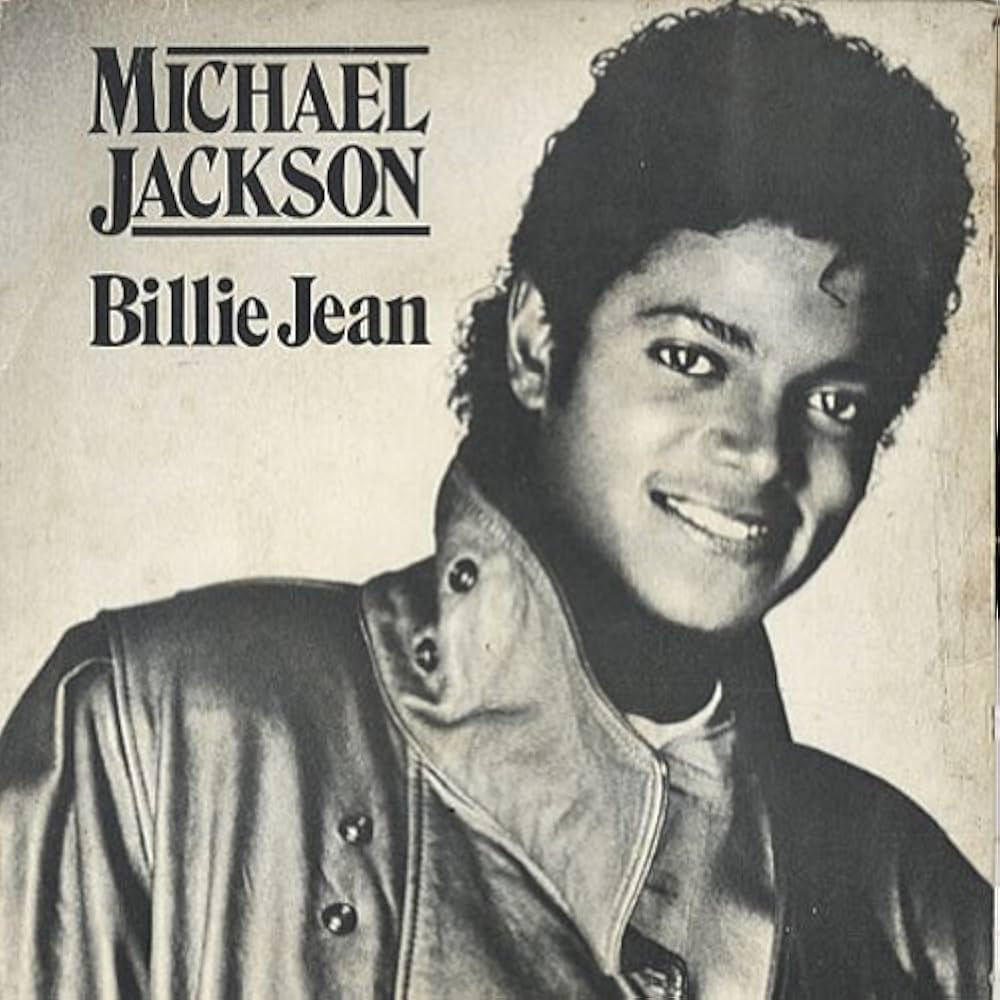
By the early 1980s, Jackson was already a major figure in pop music, but he was still searching for a sound that fully belonged to him. With Thriller, he was pushing beyond the success of his earlier solo work, aiming for something that would redefine not only his career, but the sound of modern pop itself.
“Billie Jean” became that breakthrough. Built around a tight, hypnotic rhythm created on a home drum machine, the song feels both minimal and intensely charged. There is nothing wasted in its structure — every beat, every bass note, every pause serves a precise emotional function.
Jackson crafted the groove himself, building it layer by layer until it locked into a pattern that felt inevitable. Unlike many pop productions of the time, it relies on restraint rather than excess. The tension comes not from complexity, but from control — from the way the rhythm holds back just enough to keep listeners suspended inside it.

Lyrically, the song explores accusation, denial, and paranoia. At its core is a narrative about a man confronted with claims of paternity, insisting that the story being told about him is not true. But beyond the literal meaning, the song taps into something larger: the pressure of fame, the distortion of public perception, and the way identity can be reshaped by rumor and projection.
Jackson’s vocal performance is central to that atmosphere. He delivers the song with a mix of urgency and detachment, as if both inside and outside the situation at once. His voice glides over the beat with precision, never overpowering the rhythm, but always riding just above it.
Remarkably, Jackson recorded the lead vocal in a single take. That immediacy gives the performance a sense of momentum, as if the song is being discovered in real time rather than constructed piece by piece. It contributes to the feeling that “Billie Jean” is not just performed — it is inhabited.

Jackson himself described being deeply absorbed in the writing process, to the point where the song followed him everywhere. He once recalled thinking about it even while driving down California’s Ventura Freeway in his Rolls-Royce — so immersed in the creative process that he reportedly didn’t immediately notice when the car caught fire. Whether told as anecdote or legend, the story captures the intensity of focus surrounding the song’s creation.
Musically, “Billie Jean” is built on tension and repetition. The bass line is instantly recognizable, acting as both anchor and engine. The drum pattern is crisp and unrelenting, creating a sense of forward motion that never fully resolves. Together, these elements form a sonic landscape that feels both controlled and restless.
Part of what made the song revolutionary was its production clarity. Every element is separated with surgical precision, yet the overall effect is deeply atmospheric. It is a track that feels spacious and claustrophobic at the same time — minimal in construction, maximal in impact.
When released, “Billie Jean” did more than top the charts. It dominated them, spending seven weeks at number one and helping propel Thriller into the best-selling album of all time. The song also played a major role in establishing Jackson as the biggest global pop star since Elvis Presley, a status that would only grow in the years that followed.
The accompanying music video further amplified its impact, but even without visuals, the song carries a cinematic intensity. It unfolds like a psychological thriller, built on suspicion, rhythm, and unresolved tension.
What makes “Billie Jean” endure is its dual identity. On one level, it is an irresistibly danceable pop track. On another, it is a study in anxiety and perception — a story about truth being questioned in the public eye. That combination of groove and unease gives it a depth that continues to resonate decades later.
In the end, “Billie Jean” is not just a song about denial. It is a song about what happens when reality itself starts to feel uncertain — and the beat never lets you escape it.
