Music History
The Song That Changed the Sound of Hip-Hop Forever: The Story Behind Eric B. and Rakim’s “Paid in Full”
Some songs do not just represent a moment in music—they redefine what is possible. Eric B. and Rakim’s “Paid in Full” was one of those songs. Released in 1987, the track helped transform hip-hop from a street-born movement into a powerful art form built around lyricism, rhythm, and creativity. With Rakim’s calm confidence and Eric B.’s innovative production, the song became a blueprint for the future of rap.
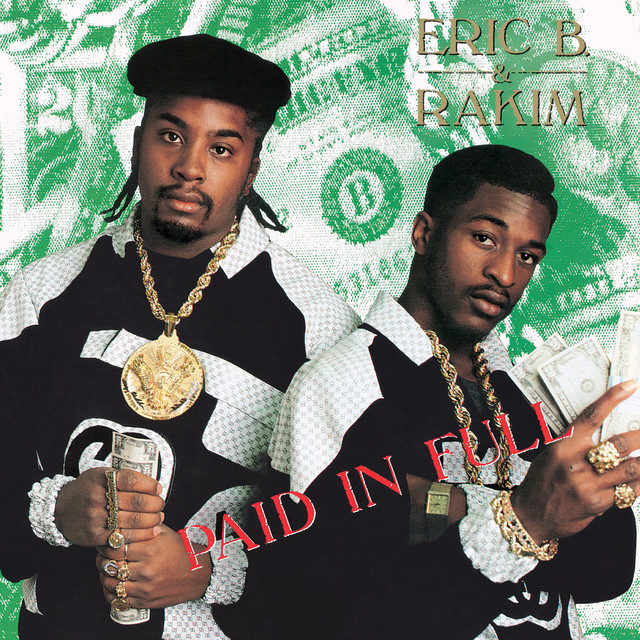
At the center of “Paid in Full” was Rakim’s groundbreaking approach to writing and delivery. His verses introduced a new level of complexity and control, moving away from the louder, more traditional styles of early hip-hop. He combined vivid street storytelling with a smooth, effortless flow, creating lyrics that felt both realistic and carefully crafted. His ability to balance confidence, struggle, and ambition changed the expectations of what a rapper could sound like.
The track’s production helped make it equally unforgettable. Eric B. built the song around the classic breakbeat from the Soul Searchers’ “Ashley’s Roachclip,” creating a hypnotic foundation for Rakim’s verses. The later Coldcut remix, which added a sample from Israeli singer Ofra Haza, became a worldwide success and introduced the song to an even larger audience. But the original recording remained the true heart of the track, capturing the raw creativity of East Coast hip-hop.
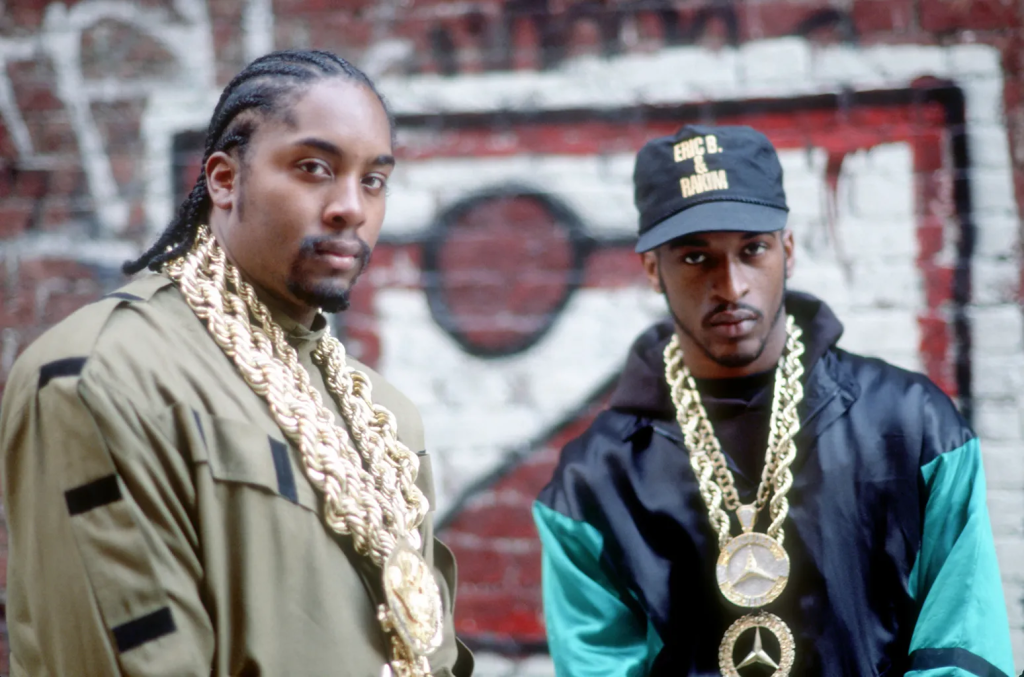
“Paid in Full” arrived at a time when many people still dismissed rap as a passing trend rather than serious music. The song challenged that idea by showing the skill, storytelling, and artistic vision behind the genre. Rakim’s confident declaration that rap had established itself as music reflected a larger cultural shift, as hip-hop began earning recognition as one of the most important forms of modern expression.
Decades later, “Paid in Full” remains one of the most influential songs in hip-hop history. Eric B. and Rakim created a record that did more than sound different—it changed the direction of the entire genre. Its impact can still be heard in countless artists who followed, proving that a single song can redefine an art form and inspire generations to come.
