Music History
The Song That Turned a Personal Memory Into Reggae’s Most Beloved Anthem: The Story Behind Bob Marley and the Wailers’ “No Woman No Cry”
There is a warmth in “No Woman, No Cry” that makes it feel less like a song about suffering and more like a reminder that suffering can be survived. Bob Marley and the Wailers took memories of difficult days in Kingston’s Trench Town and turned them into a song filled with comfort, friendship, and hope. The studio recording introduced the song in 1974, but it was a later live performance that transformed it into one of Marley’s most beloved songs.
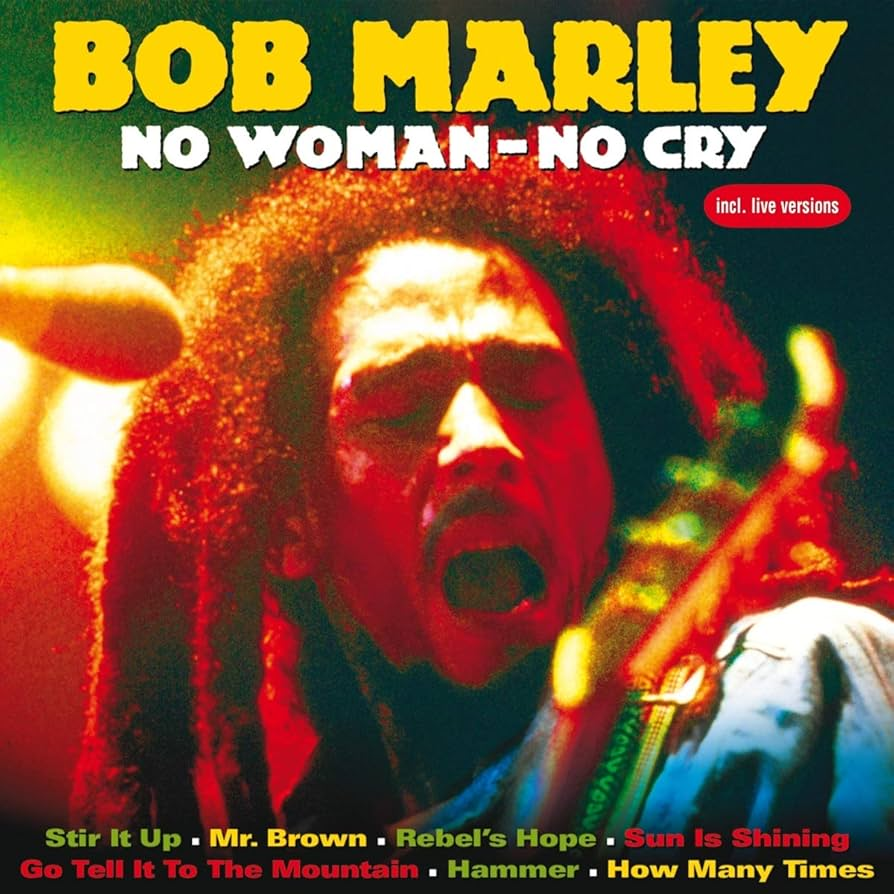
The heart of the song comes from memories of life in Trench Town, the Kingston neighborhood where Marley spent part of his youth. The lyrics look back on sitting in the government yard, sharing food, remembering friends, and facing a future that offered few guarantees. The song’s authorship is also surrounded by some uncertainty. It was officially credited to Vincent “Tata” Ford, Marley’s childhood friend, who ran a soup kitchen in Trench Town. One widely told account says the credit helped provide Ford with royalties to keep that work going, while other accounts have disputed exactly how much of the song Marley himself wrote.
The original recording appeared on Natty Dread in 1974, but the version that changed everything was recorded the following year at London’s Lyceum Theatre. The Wailers were playing to an audience that had become deeply connected to Marley’s music, and the performance gave the song room to breathe. Instead of simply reproducing the studio arrangement, Marley stretched the song into a much more emotional experience, with the band settling into a gentle groove while the audience became part of the performance. The live recording was captured for the 1975 Live! album, and it would soon become the version that defined the song for millions of listeners.
That Lyceum performance gave “No Woman, No Cry” a life far beyond its original release. The live version became a defining moment in Marley’s career and eventually appeared on Legend, helping introduce the song to generations who may never have heard the original studio recording. What had begun as a reflection on life in Trench Town now sounded like something much larger: a message that could be sung by an entire crowd, with Marley offering reassurance while the audience answered back. The song’s power came not from escaping hardship, but from finding hope in the middle of it.
More than anything, “No Woman, No Cry” remains powerful because its memories never feel trapped in the past. The places and experiences belong to Marley and the people around him, but the emotions are much easier for anyone to recognize: remembering people who are gone, worrying about what comes next, and trying to reassure someone you love that better days can still arrive. Marley turned those memories into something communal, and the live performance made that feeling even stronger. What started as a song rooted in one neighborhood in Jamaica eventually became a worldwide expression of resilience, reminding listeners that even after difficult days, everything can still be alright.
