Music History
The Song That Turned Every Street Into a Celebration: The Story Behind Martha and the Vandellas’ “Dancing in the Street”
Some songs do more than make people dance—they change the way people see the world around them. Martha and the Vandellas’ “Dancing in the Street” was one of those songs. Released in 1964, it transformed the simple idea of a neighborhood gathering into a joyful anthem of connection and celebration. With Martha Reeves’ powerful voice leading the way, the song turned ordinary streets into places where everyone could come together.
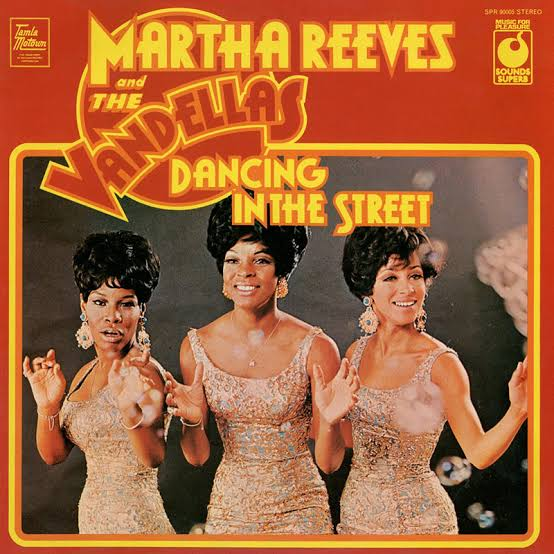
The song’s journey began in an unexpected way. Gordy Stevenson, who had originally hired Martha Reeves as his secretary, brought the song to the group after it had been rejected by Motown labelmate Kim Weston. Martha and the Vandellas agreed to record it as a demo, with the songwriters themselves providing the background vocals. At first, it was simply another recording session, but everything changed once Reeves stepped behind the microphone and found the song’s energy.
“When Martha got into the song,” Stevenson later recalled, “that was the end of the conversation.” Her performance gave the track a life of its own. Driven by a sharp, explosive backbeat and a rhythm that felt impossible to resist, Reeves transformed the song from a simple invitation to dance into a full celebration of movement and togetherness. Her voice carried excitement, confidence, and the feeling that something special was happening right in front of the listener.
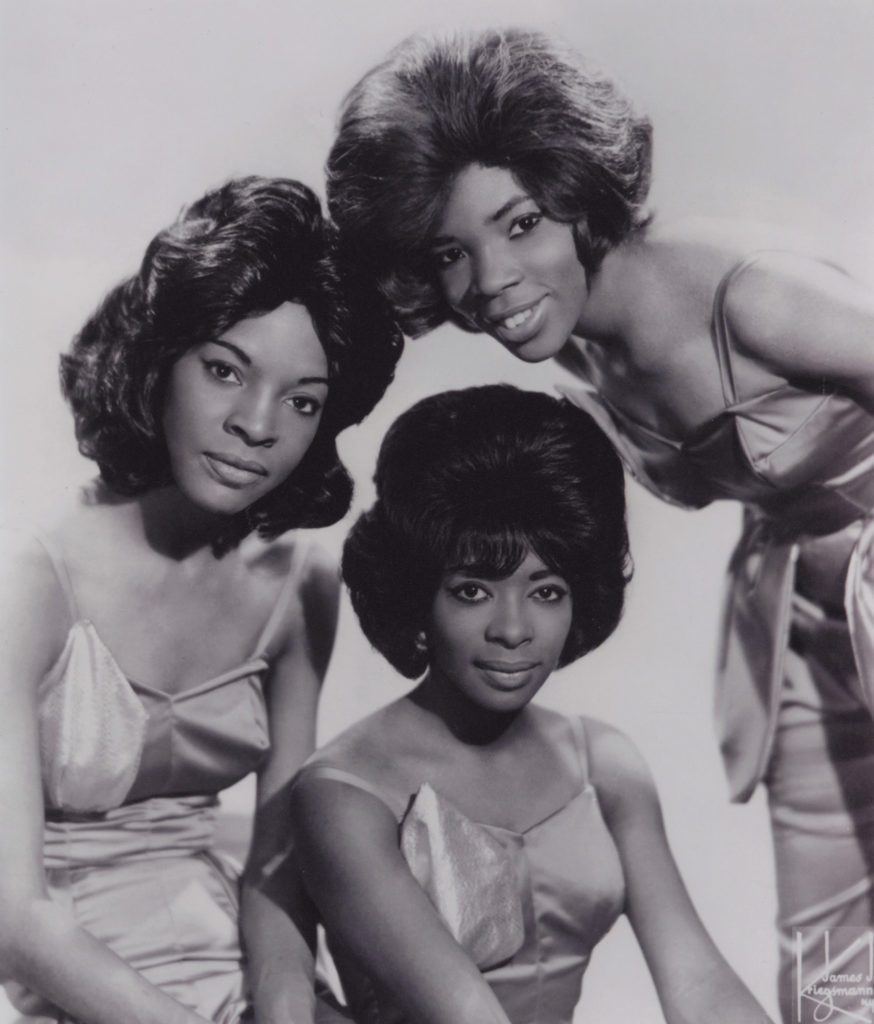
When “Dancing in the Street” was released, it quickly became one of Motown’s defining hits. Its universal message allowed people everywhere to connect with it, and its infectious energy made it a favorite far beyond the dance floors of the 1960s. While the song was built around fun and celebration, its image of people gathering together gave it a deeper meaning during a time of major social change.
More than half a century later, “Dancing in the Street” remains a song that feels alive from the first note. Martha Reeves and the Vandellas captured the simple joy of bringing people together and turned it into something timeless. What started as a demo became a musical symbol of happiness, proving that sometimes the most powerful messages can come from the most joyful songs.
