Music History
The Song That Turned Otis Redding Into the Voice of Soul: The Story Behind “Try a Little Tenderness”
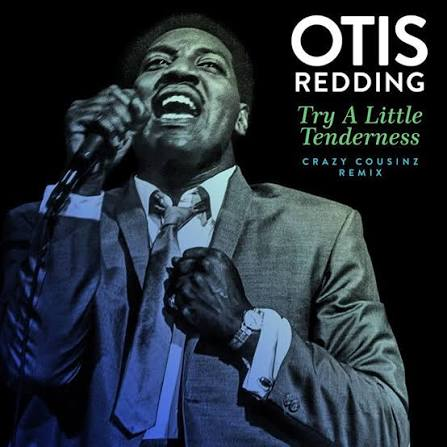
Before Otis Redding touched it, “Try a Little Tenderness” was already more than three decades old. Written in 1932 by Harry Woods, Jimmy Campbell, and Reg Connelly, it had been recorded as a polished pop standard by several singers. Redding heard something completely different in it. Instead of treating the song as a quiet plea for affection, he transformed it into a slow-burning soul performance that begins with restraint and eventually erupts with almost overwhelming emotion.
Redding’s version came together in the world of Stax Records in Memphis, where he was surrounded by musicians who understood how to turn a simple melody into something physical and deeply emotional. The original lyrics were gentle and sentimental, but Redding approached them from a different perspective, making the plea for tenderness feel much more urgent. Working with Booker T. & the M.G.’s and arranger Isaac Hayes, he gradually reshaped the song into something that sounded less like a traditional standard and more like a conversation between a singer and the person he desperately wants to reach.
The recording session became one of those rare moments when everything seemed to fall into place. Recorded at Stax Studios in Memphis in September 1966, the track featured Redding alongside Steve Cropper, Donald “Duck” Dunn, Al Jackson Jr., Booker T. Jones and the Memphis horns. According to the Gaby.quest account, the finished performance took only three takes, with the arrangement building from its memorable horn opening into an increasingly frantic finale. Redding starts almost conversationally, then keeps raising the intensity until the final moments feel like he is barely containing the emotion in his voice.
Released in November 1966, “Try a Little Tenderness” quickly became one of Redding’s signature performances and an important part of the sound associated with Stax. Its success was not simply about turning an old song into a new hit; it showed how completely an artist could transform material by changing its emotional language. The quiet opening made the eventual explosion even more effective, while the combination of Redding’s voice, the rhythm section, and the horns created a performance that audiences could feel as much as hear. Redding would continue performing the song live, where its dramatic build made it a natural centerpiece of his shows.
What remains remarkable about “Try a Little Tenderness” is that almost none of its power comes from the age of the song itself. Redding took a composition from another musical era and stripped away the distance between the singer and the listener, replacing polished sentiment with raw feeling. The result became so closely associated with him that it is now difficult to imagine the song without hearing his voice rising toward that unforgettable finale. More than a cover, it was a reinvention—and one of the clearest examples of how Otis Redding could take someone else’s words and make them sound as though they had been written entirely for him.
