Music History
They Begged For The Song — And Ended Up Making One Of Motown’s Most Beloved Classics
Some songs arrive already fully formed in the minds of their creators. Others change direction at the very last moment, shaped as much by chance as by intention. “My Girl” by The Temptations belongs to the second category — a song whose history could easily have belonged to someone else entirely.
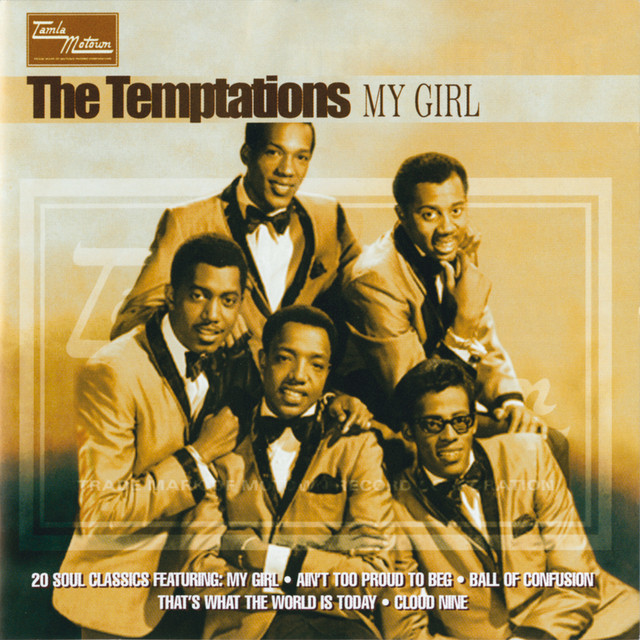
At the center of its origin story is Motown’s most prolific songwriter-producer, Smokey Robinson, who originally intended the track for his own group, The Miracles. While sharing a bill with The Temptations at Harlem’s legendary Apollo Theater, Robinson worked on the song’s rhythm track, laying the foundation for what would become one of the defining records of the Motown era.
When The Temptations heard what Robinson had created, their reaction was immediate. They recognized something special in the arrangement — a warmth and simplicity that stood out even in Motown’s already rich catalog of hits. They began to push for the song to be handed over to them instead of Robinson’s original plan.
In a rare moment of concession, Robinson agreed. That decision would prove pivotal, not only for the song itself but for the direction of The Temptations’ career. It also led to another crucial change: selecting a new lead voice for the track.
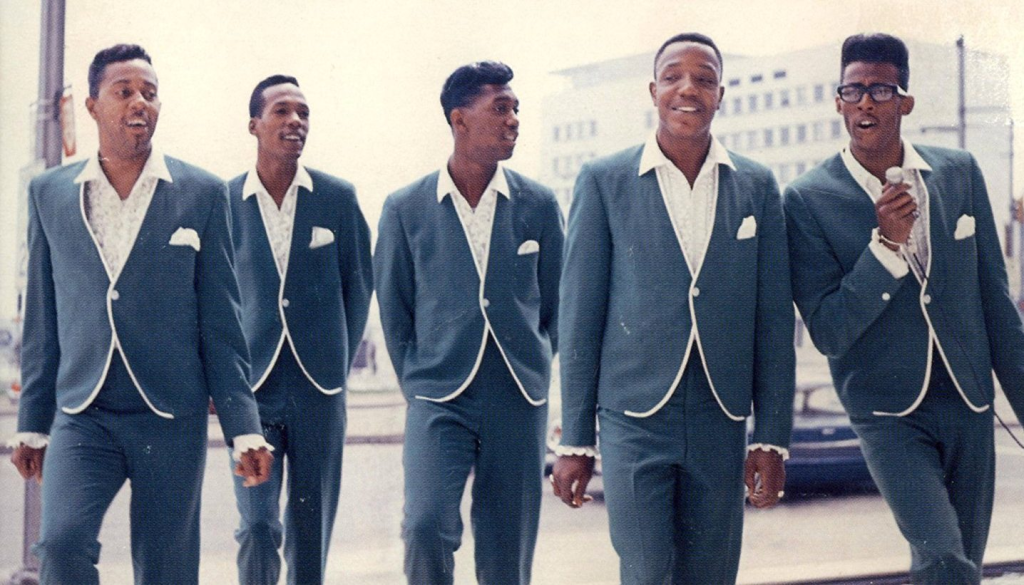
For the first time, Robinson chose David Ruffin to sing lead. Ruffin’s voice carried a raw, soulful edge that contrasted with the smoother harmonies of the group. That choice gave “My Girl” its unmistakable emotional identity, grounding its sweetness in a deeper, more expressive tone.
The group spent that week rehearsing the song at the Apollo, refining its harmonies and performance until it felt completely natural. There was a sense that they were preparing something important, even if they could not yet know just how significant it would become.
When they returned to Detroit to record it on December 21, 1964, everything came together with remarkable clarity. The arrangement was simple, but every element felt perfectly placed. The rhythm section carried a gentle momentum, while the vocals layered warmth and precision over the top.
What makes “My Girl” so enduring is its emotional directness. It does not rely on complex storytelling or dramatic twists. Instead, it captures a single feeling — pure, uncomplicated devotion — and expands it into something universally relatable. It is a song that feels both intimate and expansive at the same time.
Behind the scenes, the collaboration between Robinson and The Temptations represented something larger than a single recording session. It reflected the Motown system at its peak — a place where writers, producers, and performers constantly reshaped material until it found its ideal voice. In this case, that ideal voice turned out not to be the one originally intended.
When “My Girl” was released, it quickly became a defining moment for The Temptations, marking their first Number One hit and establishing them as one of Motown’s premier vocal groups. Its success helped solidify the emotional and musical template they would continue to build on throughout the decade.
Over time, the song has become one of the most recognizable and beloved recordings in soul music history. Its opening bass line alone is enough to evoke instant recognition, even decades after its release. Yet beneath its simplicity lies a carefully crafted collaboration between some of the most important figures in American popular music.
What makes “My Girl” endure is not just its melody, but the moment of recognition that changed its destiny — the instant The Temptations heard it and knew it belonged to them. Sometimes, greatness begins with a request. And sometimes, the right people simply refuse to let a song go.

Nadine Diamond
July 9, 2026 at 7:49 pm
Greatest Motown group EVER