Music History
This Beautiful Aretha Franklin Song Was A Cover That Became A Revolution — And Turned Aretha Franklin Into The Queen Of Soul
Some songs begin as compositions. Others begin as performances. But every once in a while, a song is transformed so completely by the right artist that it stops belonging to its original creator and becomes something entirely new.
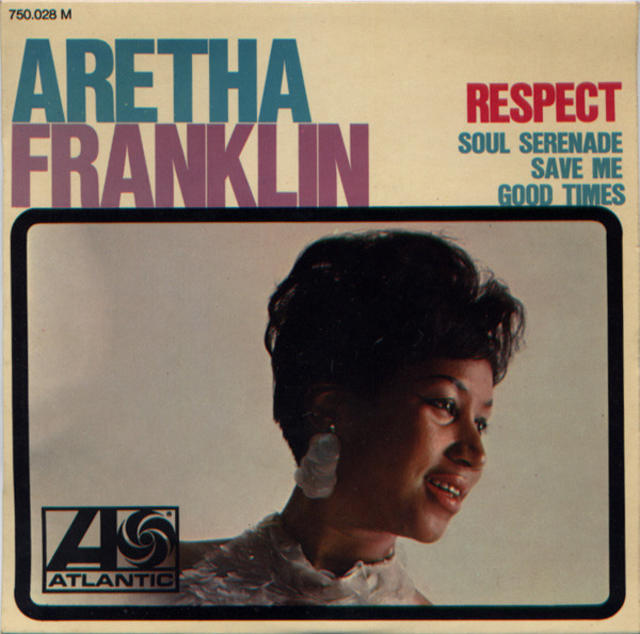
Aretha Franklin’s “Respect” is one of those rare cases — a track that started as a modest plea in the hands of one singer and was reborn as a commanding cultural force in the voice of another.
When Aretha Franklin left Columbia Records for Atlantic in 1966, she was still searching for the sound that would fully unlock her potential. At Atlantic, producer Jerry Wexler began suggesting material for her to record, including songs by Sam Cooke and Ray Charles. Franklin listened politely, but she already had something else in mind. She had been performing a song live that she believed could become something much bigger — “Respect,” originally written and recorded by Otis Redding.
On paper, it was an unusual choice. Otis Redding had recorded “Respect” in 1965 as a gritty, forceful plea from a man demanding recognition from his partner. It was raw, direct, and built on masculine frustration. But Franklin didn’t simply want to cover it — she wanted to reimagine it completely. In the studio, she reshaped the song not as a request, but as a demand already earned.
Recorded on Valentine’s Day in 1967 at Atlantic’s New York studio, Franklin’s version of “Respect” immediately felt different from anything that had come before it. Where Redding’s original leaned into a pounding, almost desperate energy, Franklin’s interpretation radiated control and authority. She wasn’t pleading for respect. She was stating its existence as a fact. That shift in perspective changed everything about the song’s meaning.
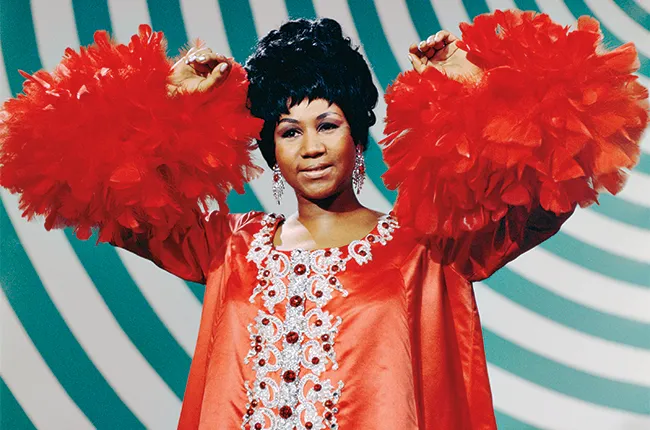
The transformation wasn’t only lyrical — it was structural and musical as well. Franklin worked closely with her band and background singers, including her sisters Carolyn and Erma, to build something entirely new inside the framework of the original track.
One of the most iconic additions came from the now-famous chant “Sock it to me,” a phrase that added both rhythmic drive and playful, unmistakable confidence to the performance. It wasn’t just decoration — it became part of the song’s identity.
Behind the scenes, producer Jerry Wexler and engineer Tom Dowd helped reshape the arrangement even further. Since Redding’s original version lacked a strong bridge section, the team incorporated chord changes inspired by Sam and Dave’s “When Something Is Wrong With My Baby” to support a new instrumental passage.
Over this foundation, King Curtis delivered a soaring saxophone performance that gave the track additional emotional weight without overpowering Franklin’s voice.
What emerged from these sessions was not just a reinterpretation, but a reinvention. Franklin’s vocal performance carries a rare combination of discipline and fire. Every line is controlled, yet charged with intensity. She doesn’t sound like she is discovering the meaning of the song in real time — she sounds like she already understands it completely and is simply telling the listener what it is.
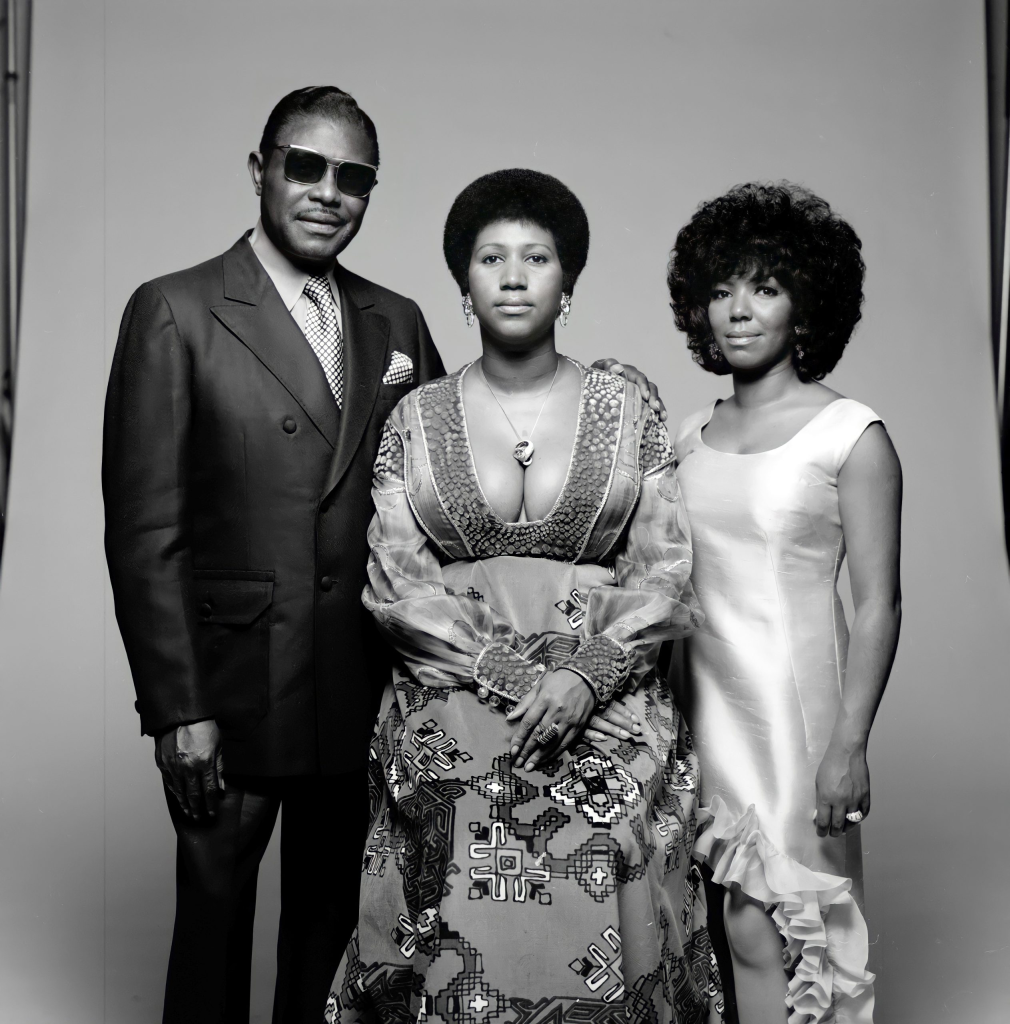
A major part of the song’s power comes from its emotional subtext. While Redding’s version reflects a traditional plea for acknowledgment, Franklin’s version transforms “respect” into something far more layered. It becomes about equality, autonomy, desire, and dignity all at once.
The phrase “Sock it to me,” delivered with playful force by the background vocals, adds a dimension of confidence and sensuality that reframes the entire song as a declaration of empowerment rather than vulnerability.
Many observers have noted that Franklin’s delivery may have drawn from her own personal experiences at the time, including the turbulence of her marriage. But rather than presenting pain directly, she channels it into strength. Even in moments of emotional intensity, there is no sense of defeat in her voice. Instead, there is authority — the sound of someone who has already decided their own worth.
When “Respect” was released as the lead track on her 1967 album I Never Loved a Man the Way I Love You, it didn’t just succeed commercially — it reshaped popular music. It became Franklin’s first Number One hit and the defining moment that established her as the Queen of Soul. But its impact went far beyond the charts. It fused gospel intensity, blues emotion, and rock energy into a new model for soul music that would influence generations of artists.
The song also took on a cultural life of its own. During a period of immense social change in the United States, “Respect” resonated far beyond romantic relationships. It became an anthem of dignity and self-determination, embraced by both the civil rights movement and emerging feminist voices. Its message of being heard, valued, and acknowledged extended into every corner of society where people were demanding change.
Franklin herself later described the song’s meaning in simple, universal terms. It wasn’t just about romance or gender roles — it was about a fundamental human need. Everyone, she suggested, wanted respect in some form, whether in personal relationships, workplaces, or society at large. That universality is part of why the song has never lost its relevance.
What makes “Respect” extraordinary is not just its musical brilliance, but its transformation. It began as a song written by one artist in a specific emotional frame, and ended as something entirely larger — a declaration that belongs to everyone who has ever asked to be seen, heard, or valued.
Today, it stands not only as Aretha Franklin’s signature song, but as one of the most important recordings in music history. Because sometimes a song doesn’t just change an artist’s career. Sometimes it changes what the word itself means.
