Music History
Tom Jones’ ‘It’s Not Unusual’ Launches a Welsh Powerhouse and Rewrites Pop Swagger in 1965
Released in early 1965, “It’s Not Unusual” burst onto the pop scene with a confident swagger that felt both fresh and inevitable. Running just over two minutes, the track wasted no time announcing the arrival of a new kind of pop star—one with brassy charm, a booming voice, and undeniable charisma.
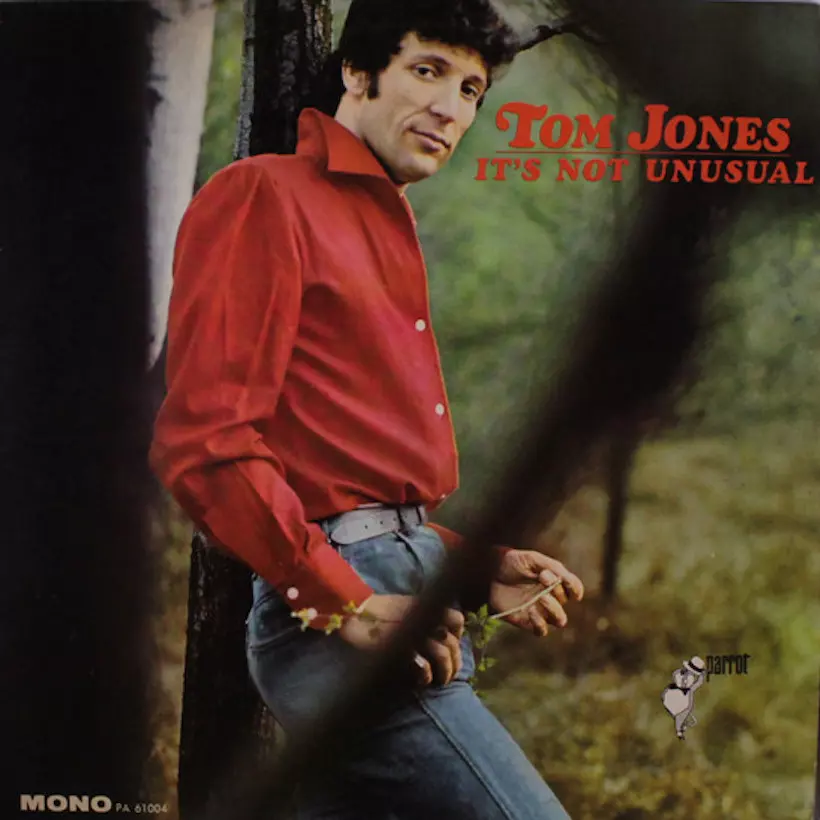
The song quickly climbed the UK Singles Chart, reaching number one in March and eventually breaking into the Top 10 in the United States. Its infectious rhythm, swinging horns, and bold vocal delivery made it a defining hit of the British pop invasion and marked the dazzling debut of a performer who would soon become a global sensation.
Tom Jones, born Thomas John Woodward in Pontypridd, Wales, had been performing in clubs under the name Tommy Scott before a twist of fate and a change of name propelled him to stardom. Known for his commanding baritone, rugged good looks, and unmistakable confidence, Jones possessed a vocal range and stage presence that set him apart in a crowded British music scene.
Unlike many of his peers, he didn’t rely on a guitar or a beat group—his power came from his voice, his swagger, and his ability to bring lyrics to life with theatrical flair. The inspiration behind “It’s Not Unusual” came from songwriting duo Les Reed and Gordon Mills, the latter of whom would later manage Jones’s career.
The song was originally written for Sandie Shaw, but after hearing Jones’s demo, she insisted he keep it. It was a rare moment in pop history where fate and instinct converged.
Jones’s interpretation transformed a tale of romantic frustration into a strutting anthem of cool defiance. The recording session, produced by Peter Sullivan at Decca Studios, captured lightning in a bottle.
Backed by seasoned studio musicians, including future Led Zeppelin guitarist Jimmy Page, the track came together with brisk, almost live energy. The signature horn riff blended perfectly with Jones’s vocals, which moved effortlessly from smooth crooning to near-shouted power.
Upon its release, the single became an instant hit in the UK.
By March 1965, it had reached number one on the UK Singles Chart. In the United States, the song climbed to number 10 on the Billboard Hot 100.
Television appearances on The Ed Sullivan Show and Top of the Pops helped cement Jones as a household name on both sides of the Atlantic. Culturally, It’s Not Unusual arrived at a turning point in pop music.
While The Beatles opened the door for British acts, Jones offered a different model—an unapologetically masculine, soulful presence untethered to a band. Its swinging tempo and mod sensibility aligned perfectly with the stylish mid-1960s aesthetic.
For Jones, the song unlocked a world of opportunity. It launched a career that would span decades, genres, and continents.
Following its success, he toured internationally, secured Las Vegas residencies, and became a fixture on American and British television. The song also left a lasting imprint on other performers and the wider pop landscape.
Its blend of brassy orchestration, upbeat rhythm, and cheeky lyrics influenced artists seeking to pair vocal power with theatrical flair. Even Elvis Presley admired Jones and later acknowledged the shift in vocal performance standards he represented.
Over the years, It’s Not Unusual has been covered, parodied, and celebrated across popular culture. From jazz interpretations to Carlton Banks’ iconic dance on The Fresh Prince of Bel-Air, the song has lived many lives.
Each revival reaffirmed its status as a pop culture staple. During the year of its release, Jones navigated sudden fame and an exhausting schedule.
Rather than shrinking from it, he embraced the momentum with sharper performances and bolder style. Despite the whirlwind, he remained rooted in the big, emotional sound that defined his appeal.
Decades later, It’s Not Unusual remains the quintessential Tom Jones song. Its brassy hook and unforgettable chorus still energize listeners on radio, in films, and at karaoke bars.
Its place on greatest-hits lists and in pop history anthologies is firmly earned. Musically, the track proved that British artists could dominate pop charts without mimicking American rock or Motown.

Jones’s powerful vocal set a new standard for male pop singers.
The song’s orchestration showed how rhythm and arrangement could drive mainstream success.
Though Jones would later explore blues, gospel, and alternative rock, It’s Not Unusual remains his signature.
The song was inducted into the Grammy Hall of Fame in 2003.
Jones himself was knighted in 2006 for his services to music.
Ultimately, what makes It’s Not Unusual endure is not just its brass or bravado. It captured a young man at the very start of a legendary career.
In doing so, it became more than a hit—it became a pop anthem for the ages.
