Music History
Why Leonard Cohen’s ‘Hallelujah’ Never Truly Belonged To Him
Few songs have traveled as far, or transformed as often, as “Hallelujah” by Leonard Cohen. What began as a quiet, philosophical meditation on faith, love, and failure has grown into one of the most widely interpreted and emotionally charged songs in modern music. It is a hymn for believers and skeptics alike, a confession that seems to shift meaning every time it is sung.
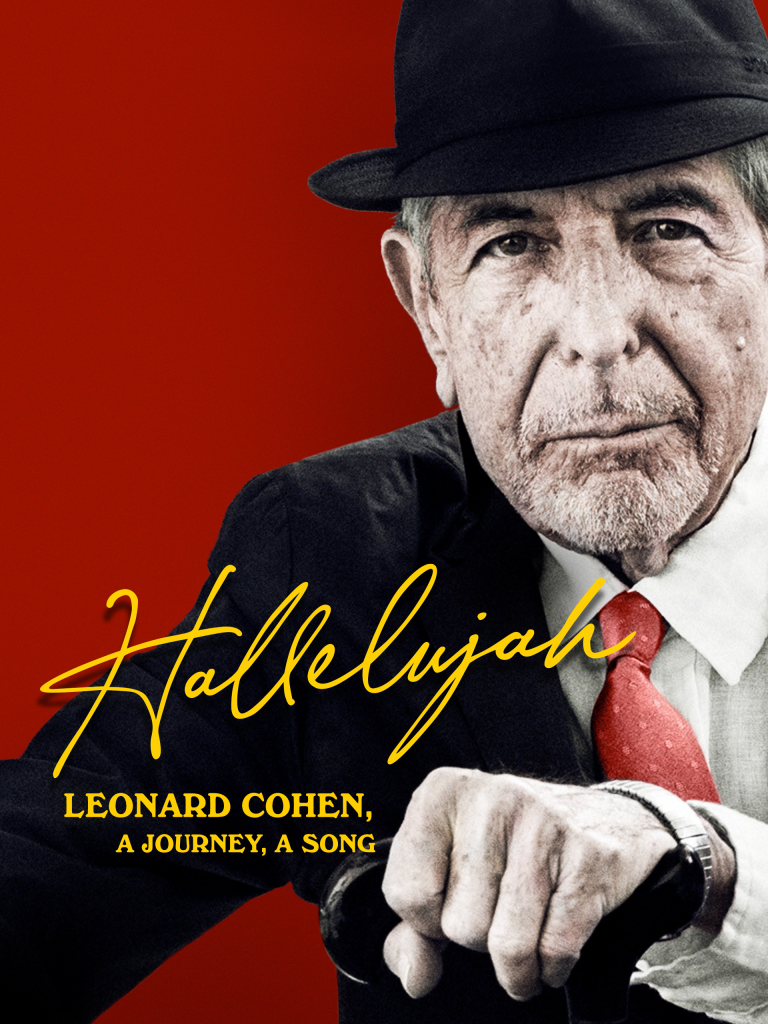
At its core, “Hallelujah” moves between two worlds: the sacred and the broken. It begins with biblical imagery and echoes of scripture, invoking the language of devotion and divine order. Yet by its conclusion, it settles not into certainty, but into something far more human—a weary acceptance of imperfection, doubt, and emotional contradiction.
He once explained that he wanted to show how the word “hallelujah” could emerge from places that had nothing to do with traditional religion. In his vision, it was not simply a declaration of praise directed upward, but something more complex—a word that could hold sorrow, confusion, desire, and resignation all at once.

Over time, the song took on a life far beyond its original recording. While Cohen’s own version remained relatively understated, “Hallelujah” found new resonance through a wide range of reinterpretations. Artists like John Cale, Jeff Buckley, and even Bob Dylan helped transform it into something larger than its original form, each emphasizing different emotional layers within the same set of lyrics.
That openness is what has made “Hallelujah” endure. It speaks to the contradictions at the heart of human experience—the way love can coexist with loss, faith with doubt, and beauty with suffering. Rather than resolving those tensions, the song holds them together, allowing them to exist side by side.
