Music History
Written In The Middle Of Heartbreak, This Song Became Fleetwood Mac’s Only U.S. No. 1 — And One Of The Most Enduring Tracks In Rock History
Some songs are carefully planned over weeks or months. Others arrive in a flash — sudden, emotional, and almost effortless, as if they were waiting to be written. Fleetwood Mac’s “Dreams” is one of those rare moments where heartbreak, atmosphere, and instinct collide to create something timeless.
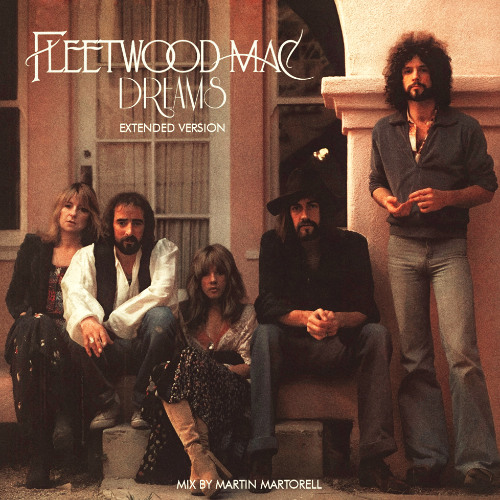
During the turbulent recording sessions for Rumours, Fleetwood Mac were falling apart privately while creating some of the most emotionally honest music of their careers. Relationships within the band were unraveling in real time, particularly between Stevie Nicks and Lindsey Buckingham, whose breakup would quietly shape much of the album’s emotional landscape.
It was in this atmosphere of tension and emotional exhaustion that Stevie Nicks stepped away from the chaos and into a different room at the Record Plant in Sausalito. The space was unusual — dark, theatrical, almost surreal — with black-and-red décor, heavy drapes, and a sunken area containing a piano. It felt less like a studio and more like a dreamlike set piece, which would later mirror the mood of the song she was about to write.
Sitting in that room alone, Nicks reflected on the breakdown of her relationship with Buckingham. Outside the room, emotions were still raw, conversations were still unresolved, and the band itself was under immense strain. But inside, she allowed herself a rare moment of creative isolation. With a simple keyboard setup and a drum machine pattern, she began shaping what would become “Dreams.”

What makes the song remarkable is how quickly it came together. In roughly ten minutes, Nicks had written the core of the track. There was no extended revision process, no elaborate rewriting — just instinct, emotion, and rhythm. Even she later described the experience as unusually immediate, as if the song had simply arrived fully formed once she allowed herself to begin.
Part of what gave “Dreams” its distinct identity was its subtle shift in style. Unlike many of her earlier compositions, this song leaned into a soft, steady groove with a gentle dance-like pulse. That rhythmic foundation gave it a hypnotic quality, setting it apart from the more guitar-driven rock tracks surrounding it. It created a sense of movement without urgency — like drifting rather than driving.
Lyrically, the song carries the quiet clarity of someone addressing emotional separation without anger. Instead of dramatic confrontation, it offers reflection and acceptance, shaped by the realization that relationships can end even when feelings remain complicated. That emotional restraint is part of what makes the song feel so universal — it speaks to loss without turning it into conflict.
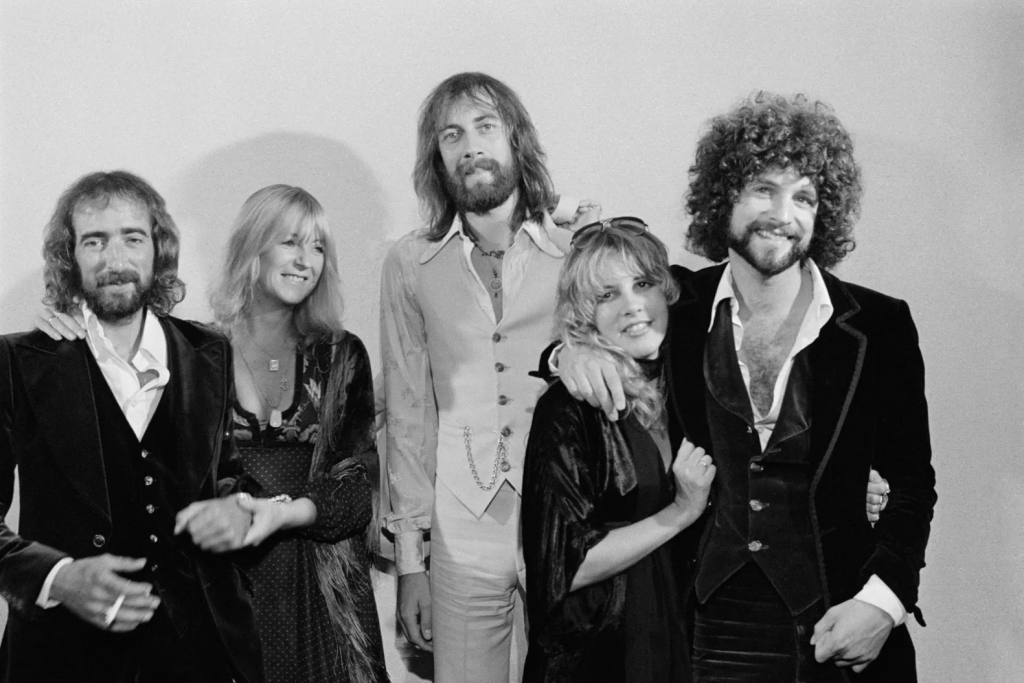
Lindsey Buckingham’s contribution to the track adds another emotional layer. His guitar work doesn’t overpower the song; instead, it weaves through it like a commentary — sometimes sharp, sometimes restrained, always emotionally charged. Given the personal context between the two artists, the interplay between voice and guitar feels almost conversational, even if unspoken.
When “Dreams” was released as part of the 1977 album Rumours, it stood out for its calmness amid emotional turbulence. While other tracks on the album dealt with anger, betrayal, and heartbreak in more direct ways, “Dreams” offered something quieter and more reflective. That contrast helped it resonate deeply with listeners.
It eventually became the band’s only No. 1 single in the United States, a surprising achievement for a track built on restraint rather than intensity. Over time, its popularity only grew. It found new audiences across decades, re-entered charts in unexpected ways, and became one of the most recognizable songs in modern rock history.
Part of its lasting appeal lies in its emotional openness. “Dreams” doesn’t try to resolve heartbreak or explain it away. Instead, it sits within it, observing the feeling as it unfolds. That honesty gives the song a kind of timeless quality — one that feels just as relevant to new listeners today as it did in the late 1970s.
Musically, its simplicity is deceptive. Beneath its soft surface lies a carefully balanced arrangement where every element serves the mood. The steady rhythm, airy production, and layered vocals create a floating sensation, reinforcing the song’s title in both sound and structure.
More than anything, “Dreams” captures a moment in time when personal relationships and artistic creation were inseparable. It is a song born from emotional fracture, yet it carries no bitterness — only clarity, distance, and reflection.
Decades later, it continues to feel like exactly what its title suggests. Not a statement. Not a resolution. Just a dream that somehow never fades.
