Music History
Written On A Houseboat And Released After His Death — How Otis Redding Created His Most Timeless Song
Some songs become famous because of the moment they are released. Others become legendary because of the stories that surround them. But every once in a while, a recording arrives carrying an emotional weight that seems impossible to separate from history itself. “(Sittin’ On) the Dock of the Bay” by Otis Redding is one of those songs — a quiet reflection that became an unintended farewell.
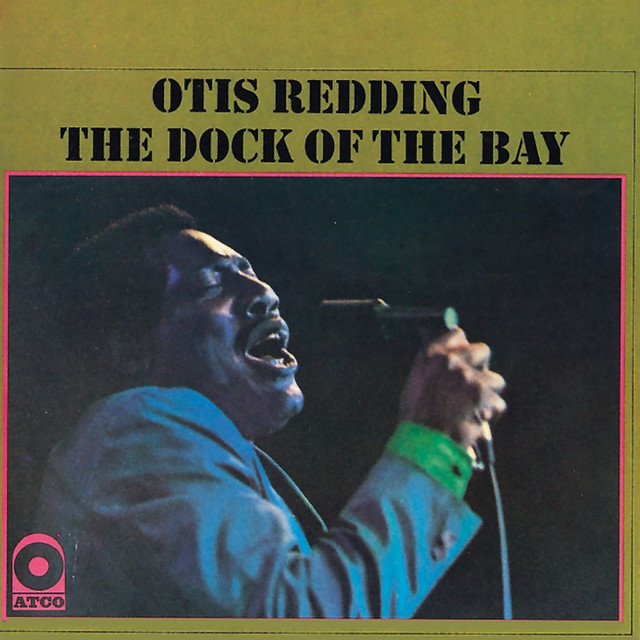
By the summer of 1967, Redding was no longer just a rising soul artist. His electrifying appearance at the Monterey Pop Festival had introduced him to a much wider audience, proving that his powerful voice and emotional intensity could captivate listeners far beyond the world of Southern soul music. The performance marked a turning point in his career, suggesting that even greater success lay ahead.
Following the festival, Redding spent time in California before returning home. While staying on a houseboat in Sausalito and performing at San Francisco’s Fillmore Auditorium, he found himself in an unusually reflective mood. Surrounded by water and far from the relentless pace of touring, he began writing a song unlike anything he had recorded before.
The first verse of “(Sittin’ On) the Dock of the Bay” was born there, inspired by the peaceful surroundings and the feeling of simply watching the world move by. Instead of the passionate declarations and energetic performances that had defined much of his work, this new song carried a sense of stillness. It felt introspective, patient, and deeply personal.

Back in Memphis, Redding continued developing the track with guitarist and songwriter Steve Cropper. Together, they shaped the loose ideas from the California houseboat into a complete song. The recording represented a creative shift for Redding, blending his soul roots with a more relaxed and reflective style. It hinted at a new artistic direction, one that he seemed eager to explore.
What makes the song so remarkable is its atmosphere. The lyrics are simple, but they communicate a profound sense of contemplation. The narrator sits by the water, watching ships come and go, reflecting on time, purpose, and the uncertainty of what lies ahead. There is no dramatic conflict, no grand resolution — only observation and acceptance.
Musically, the track reflects that mood perfectly. The arrangement is understated, allowing Redding’s voice to carry the emotional weight. Rather than pushing forward with urgency, the song drifts gently, creating the sensation of sitting beside him as he watches the tide roll in. Even the famous whistled outro adds to that feeling of calm reflection.

Yet beneath the tranquility lies a subtle melancholy. The song captures a man in transition, looking back on where he has been while remaining uncertain about where he is going. In hindsight, that emotional ambiguity would become one of the reasons the recording feels so haunting. Only days after completing the song, tragedy struck.
Redding was touring with the Bar-Kays when his private plane crashed into Lake Monona near Madison, Wisconsin. The accident claimed the lives of most of those on board, abruptly ending the life of one of soul music’s brightest stars at just 26 years old. News of the crash shocked the music world and left countless questions about what Redding might have accomplished had he lived.
As rescue crews searched the lake, Steve Cropper tried to occupy his mind by returning to the studio and working on the final mix of “Dock of the Bay.” While divers searched the freezing water for his friend, Cropper carefully assembled the recording they had completed together only days earlier.
On December 11, 1967, the wreckage of the plane was finally recovered from the lake. Redding’s body was found still strapped into the co-pilot’s seat. The loss was devastating, not only for his family and friends but for the future of soul music itself.
When “(Sittin’ On) the Dock of the Bay” was released shortly afterward, listeners heard something more than a new single. They heard the final artistic statement of a singer whose career had been cut tragically short. The song’s themes of reflection, waiting, and uncertainty suddenly carried an emotional resonance that no one could have anticipated during its creation.
The recording became the first posthumous Number One single in American chart history, introducing millions of listeners to a softer, more introspective side of Redding. It also revealed a glimpse of where his music might have gone had he lived — beyond traditional soul into something broader, more personal, and perhaps even more influential.
Today, “(Sittin’ On) the Dock of the Bay” remains one of the most beloved recordings ever made. It endures not simply because of the tragedy attached to it, but because of its humanity. The song captures a universal feeling: the desire to pause, reflect, and make sense of life as it passes by.
In the end, Otis Redding set out to write a song about watching the water. Instead, he left behind a farewell that still feels timeless nearly six decades later.
